I’m on vacation for three weeks. While I’m gone, please enjoy the top 15 posts from 2023 based on total number of page views and podcast plays. Cheers!
I Don't Know What I Don't Know (CaD Job 34) –
Wayfarer
‘Job speaks without knowledge; his words lack insight.’ Job 34:35 (NIV)
It’s been almost two decades since my first marriage ended. Back in those days there was quite a public stir around the divorce. A lot of speculation was making the rounds on the local grapevine, most all of it incorrect. I remember the feeling of helplessness to stop or control any of it. I learned many things during that stretch of my life journey.
One of the lessons that I still carry with me from those days is the fact that when it comes to what others are going through, I don’t know what I don’t know. I think of all the ignorant speculation that swirled around my divorce from people who knew very little about me, my marriage, or my circumstances. I also can easily make ignorant speculations about others despite having very little knowledge and without having all of the facts. I have become much more reticent to make speculative judgments of others. As a disciple of Jesus, my default is to be love not judgment.
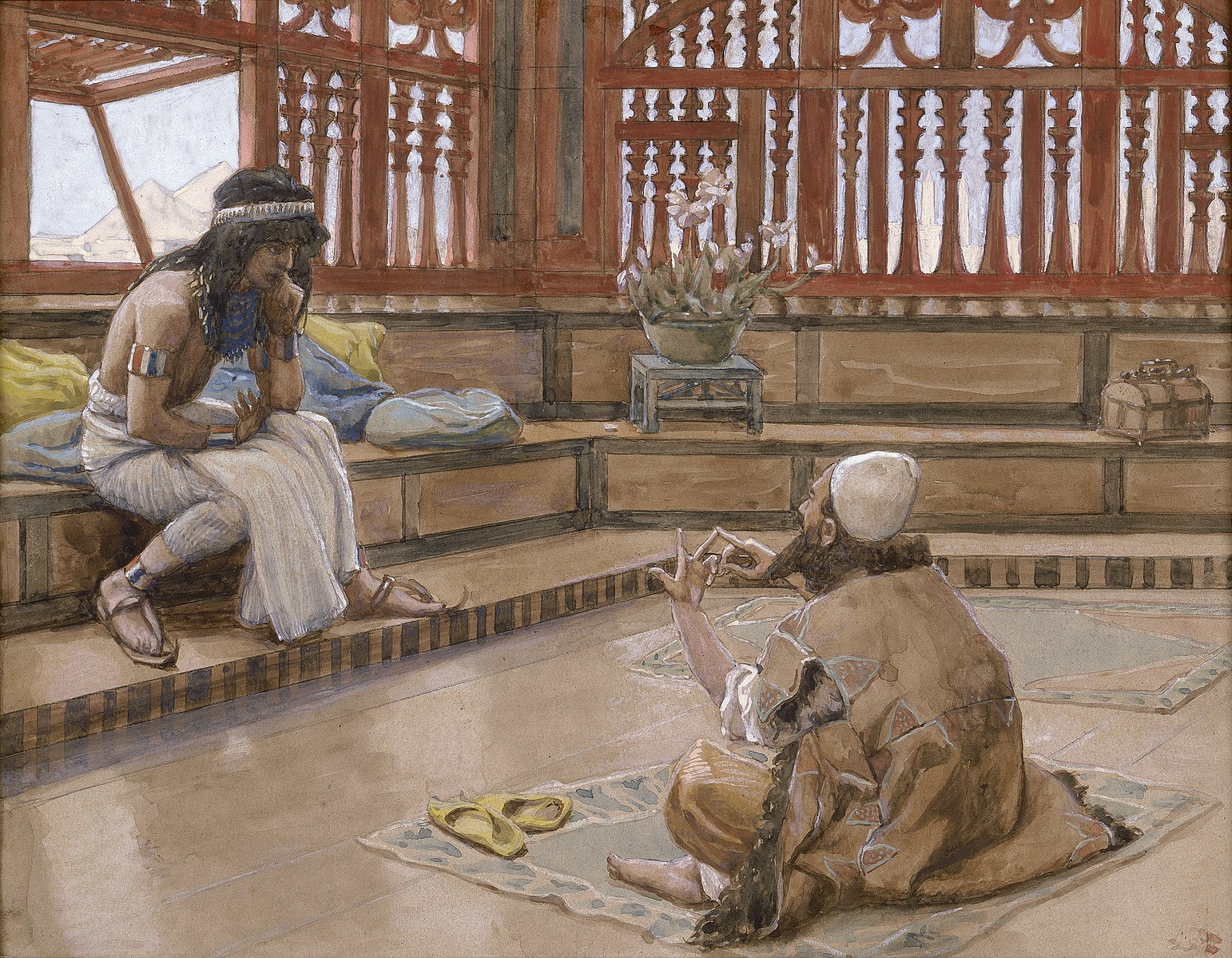
In today’s chapter, Eli the younger continues his discourse. Once again, he recalls Job’s own words in an effort to refute them. Once again, he gets Job’s words mostly, but not completely, right. Young Eli then defends God from what he perceives to be Job’s insistence that God had done evil in his circumstances. He passionately defends God’s goodness, rightness, and just judgments.
Young Eli then makes the statement that Job “speaks without knowledge.”
This caught my eye because he is correct. Job has no knowledge of the conversations that took place between God and the evil one. But the same is also true of young Eli and his three elders. They have all made speculative arguments in reaching their conclusions.
In the quiet this morning, my mind conjures up the names and faces of individuals in my own circles of influence who have been at the center of public scrutiny for a variety of reasons. I’m thinking back to my own thoughts, words, and actions towards those individuals both in their presence and when they have come up in conversation. My endeavor is to be gracious and humble in the knowledge and acknowledgment that I don’t know what I don’t know.
If you know anyone who might be encouraged by today’s post, please share.
I will not carry out my fierce anger, nor will I devastate Ephraim again. For I am God, and not a man— the Holy One among you. I will not come against their cities. Hosea 11:9 (NIV)
As a child, I remember noticing patterns in life. There was a certain flow to how things happened. One of these patterns was how my parents exacted punishment. When I was caught doing something bad, my parents anger was aroused. The punishment was carried out, and I was typically remanded to my room to think on both my infraction and the shame of my punishment. A short time later, my parent would come to my bedroom much calmer and full of compassion. Hugs were then doled out as I expressed my remorse. I was given a reminder of their love for me and wanting the best for me.
Jesus used multiple metaphors in His parables to share about God’s Kingdom and how it works. He spoke of a woman tearing apart her house looking for a lost coin. At another time it was a man selling everything he had to acquire a field that held buried treasure. More famously, He used the example of father who graciously, and lovingly welcomes his lost son home.
In the same way, the ancient prophets would use different metaphors to deliver what was. basically the same message. Hosea has repeatedly used the metaphor God gave him of Israel being like a promiscuous and adulterous wife. In today’s chapter, Hosea switches to a completely different metaphor and prefigures Jesus’ parable of the lost and prodigal son. Hosea describes God lovingly delivering his son Israel from slavery in Egypt, teaching the boy to walk, lovingly leading and feeding the lad as he grew into a nation. But the boy foolishly rejected his Father and, like Jesus’ prodigal, will find himself broken and destitute in the “distant land” of Assyria.
Once again, like I experienced with my own parents, Hosea mixes punishment with both grace and hope. Yes, Israel will find itself in captivity and exile. Yes, the boy will suffer the consequences of his hard-hearted rebellion. But, just as I learned that after the punishment and remorse came grace, compassion, and restoration, the boy Israel will return from exile and punishment, the relationship between boy and Father restored.
In the quiet of this morning after Thanksgiving, I find myself grateful for loving parents who modeled God’s love in the way they parented and punished. I hope that my children might say the same as they look back on the example I set as a father. I am also grateful that Jesus ultimately fulfilled Hosea’s prophetic vision of a loving, gracious, and compassionate Father by by coming not to condemn the world, but to graciously save the world.
In a world that is currently tearing itself apart with hate and prejudice, and reeling from the consequences of that vitriol, I pray that I can be a living example of God’s love, grace, and compassion that both Hosea, and Jesus, proclaimed.
If you know anyone who might be encouraged by today’s post, please share.
Sow righteousness for yourselves, reap the fruit of unfailing love, and break up your unplowed ground; for it is time to seek the Lord, until he comes and showers his righteousness on you. But you have planted wickedness, you have reaped evil, you have eaten the fruit of deception. Because you have depended on your own strength and on your many warriors… Hosea 10:12-13 (NIV)
“But you don’t know the things I’ve done,” he said to me.
I had simply told the man that God offers grace and forgiveness if he was simply willing to ask for it. He found it hard to believe.
Along my spiritual journey, I’ve found that people don’t need my condemnation. They know their own faults. They know their guilt. They know the things they’ve done, the pain they’ve caused, and they’ve reaped the bitter consequences of their actions.
What the man needed was the grace and forgiveness that he knew he didn’t deserve. If he was willing to receive it, his entire life might be transformed.
In today’s chapter, Hosea continues to proclaim punishment on ancient Israel for their sin. The pronouncement is not a metaphorical mystery. Hosea states it plainly. Israel will be attacked by the Assyrian Empire, she will be laid to waste, and her people will be carried off into exile. Once again, Hosea clearly states the charges against her: Idolatry, rejection of God, and corruption that made the rich richer while the poor and marginalized were oppressed.
As I have mentioned in previous posts/podcasts, I chose to read through Hosea precisely because his prophecies came directly after Amos, the last book we trekked through on this chapter-a-day journey. If anything, Hosea built upon Amos’ prophetic pronouncements. Amos proclaimed that Israel would be taken into exile. Hosea identifies the Assyrians as the nation that would do so. What I find fascinating about Hosea in contrast to Amos, is the continued offering of hope. While Amos pronounces judgement, defeat, and exile with righteous, hopeless anger, Hosea continues to remind his people to repent, return, and sow the righteous ways God prescribed for them. Hosea comforts them with the hope God will yet “come like the rain” to shower His righteousness upon them.
I find Hosea’s approach more true to the heart of God than that of Amos. The grace within judgement prefigures the criminal crucified next to Jesus. The criminal knew he was getting what he deserved, and he knew that Jesus was suffering for sins he’d never committed. He was willing to admit it, and willing to ask simply for Jesus to remember him, to think of him, when Jesus crossed into eternity. That simple willingness to embrace his own humanity and reach out to Jesus’ divinity released a flood of grace, forgiveness, and salvation.
In the quiet this morning, I find myself once again confessing my own sins and embracing my own guilt. Once again, I reach out for Jesus’ grace and forgiveness, which I don’t deserve, but which He freely showers upon me.
Once again, I pray for those I know who are unwilling to do one or both of those things.
If you know anyone who might be encouraged by today’s post, please share.
I Don't Know What I Don't Know (CaD Job 34) –
Wayfarer
‘Job speaks without knowledge; his words lack insight.’ Job 34:35 (NIV)
It’s been almost two decades since my first marriage ended. Back in those days there was quite a public stir around the divorce. A lot of speculation was making the rounds on the local grapevine, most all of it incorrect. I remember the feeling of helplessness to stop or control any of it. I learned many things during that stretch of my life journey.
One of the lessons that I still carry with me from those days is the fact that when it comes to what others are going through, I don’t know what I don’t know. I think of all the ignorant speculation that swirled around my divorce from people who knew very little about me, my marriage, or my circumstances. I also can easily make ignorant speculations about others despite having very little knowledge and without having all of the facts. I have become much more reticent to make speculative judgments of others. As a disciple of Jesus, my default is to be love not judgment.
In today’s chapter, Eli the younger continues his discourse. Once again, he recalls Job’s own words in an effort to refute them. Once again, he gets Job’s words mostly, but not completely, right. Young Eli then defends God from what he perceives to be Job’s insistence that God had done evil in his circumstances. He passionately defends God’s goodness, rightness, and just judgments.
Young Eli then makes the statement that Job “speaks without knowledge.”
This caught my eye because he is correct. Job has no knowledge of the conversations that took place between God and the evil one. But the same is also true of young Eli and his three elders. They have all made speculative arguments in reaching their conclusions.
In the quiet this morning, my mind conjures up the names and faces of individuals in my own circles of influence who have been at the center of public scrutiny for a variety of reasons. I’m thinking back to my own thoughts, words, and actions towards those individuals both in their presence and when they have come up in conversation. My endeavor is to be gracious and humble in the knowledge and acknowledgement that I don’t know what I don’t know.
If you know anyone who might be encouraged by today’s post, please share.
The Inflection Point of Kindness (CaD Gen 8) –
Wayfarer
But God remembered Noah and all the wild animals and the livestock that were with him in the ark… Genesis 8:1 (NIV)
Every spring, our small town has a Tulip Festival that attracts huge crowds that wander our quaint public square. The crowds bring out a certain brand of street preachers who will stand in crowded areas and loudly proclaim their brand of hellfire, condemnation, and judgment on all of us sinners.
The modern-day, would-be prophets always bring out a mixture of anger and sadness in me. The anger comes from the fact that they give individuals who aren’t followers of Jesus a skewed mental picture of who Jesus is and what His Message is all about. The sadness is for the hearts of these misguided prophets themselves who, judging by their hatred and vitriol, have truly not come to grips with their own sinfulness nor have they experienced God’s amazing grace themselves.
In yesterday’s post/podcast, I observed the parallel between the destructive flood of Noah and the redemptive metaphor of baptism. Because we’re in the beginning of the Great Story, the journey through Genesis is chock full of the first appearances of themes that foreshadow the chapters yet to come. Today’s chapter is an inflection point in the story of Noah which shifts the narrative from destruction to redemption. It begins with the very first verse of today’s chapter that I highlighted at the top of the post.
The Hebrew word for “remembered” (as in, “God remembered Noah”) is zākar. It means more than just the “A ha!” remembering or bringing to mind that the word “remembered” conjures in English. Zākar is layered with the notions of fondness, honor, worthiness, and active consideration. It’s a loving-kindness type of remembrance that motivates action. This is a stark contrast to the judgment and regret that has described God’s mood to this point in the Noah story.
What follows is the account of the end of the flood, but what is lost on most modern readers is the hidden parallel to the original creation story in chapter 1. What’s more, there are seven parallels just as there were seven days in creation.
8:2 mentions the waters above and below, just like 1:7.
8.5 mentions the ground appearing, just like 1:9.
8:7 mentions birds flying above, just like 1:20.
8:17 mentions the animals, just like 1:25.
9:1 says, “Be fruitful and multiply,” just like 1:28a.
9:2 mentions humanity’s dominion over creation, just like 1:28b.
9:3 mentions God’s giving of plants/animals for food, just like 1:30.
Now we have a new theme emerging which will be vitally important in the Great Story, all the way until the very end. It’s a variation on the theme of order>chaos>reorder introduced two chapters ago:
Creation —> Destruction —> Re-creation
We see this theme in Jesus’ proclamation “I’m going to destroy this Temple and rebuild it in three days!” We will see this theme at the very end of the Great Story in Revelation when the old heaven and earth pass away and a new heaven and earth are created. And, we see it in the lives of those who follow Jesus, as Paul describes in his letter to Jesus’ followers in the city of Corinth:
Because of this decision we don’t evaluate people by what they have or how they look. We looked at the Messiah that way once and got it all wrong, as you know. We certainly don’t look at him that way anymore. Now we look inside, and what we see is that anyone united with the Messiah gets a fresh start, is created new. The old life is gone; a new life emerges! Look at it! All this comes from the God who settled the relationship between us and him, and then called us to settle our relationships with each other. God put the world square with himself through the Messiah, giving the world a fresh start by offering forgiveness of sins. 2 Cor 5:16-18 (MSG)
From the very beginning of the Great Story, God introduces and foreshadows the grand theme in light of humanity’s sin: reorder, redemption, new creation.
In the quiet this morning, my mind wanders back to the street preachers spewing their condemnation at Tulip Time. I’m reminded of Romans 2:4 which says it is God’s kindness that leads to repentance, not hatred, anger, judgment, condemnation, or damnation. I’ve experienced my own spiritual inflection point when I realized that my sin was heinous as the worst of sinners but Jesus remembered (zākar) me and His loving-kindness extended grace, mercy, and forgiveness. That shifted my own story to one of redemption.
May I always “remember” others the same way.
If you know anyone who might be encouraged by today’s post, please share.
And if you ask yourself, “Why has this happened to me?”— it is because of your many sins that your skirts have been torn off and your body mistreated. Jeremiah 13:22 (NIV)
The HBO miniseries Band of Brothers is one of my all-time favorites. Based on the excellent book of the same name by historian Stephen E. Ambrose, it tells the real life stories of the men of Easy Company, 506th Regiment, 101st Airborne in World War II. They were one of the most active company’s in the war and had among the highest casualty rates as they fought from the beaches of Normandy to the Battle of the Bulge and were the first Allies to capture Hitler’s famed “Eagles Nest” in Austria.
One of the more powerful scenes from the series takes place during the liberation of the Netherlands from the Nazis. The local citizens flood the streets to celebrate, and the men of Easy Company get plenty of hugs and kisses from young Dutch maids. The young infantrymen then witness the public shaming of those young Dutch ladies who had slept with and endeared themselves to their Nazi occupiers. They are pulled into the streets into crowds of their fellow citizens. Their dresses are torn off and their hair cut off as their peers mock them for “prostituting themselves” with the Nazis. It’s a difficult scene to watch.
That scene came to mind, however, as I read today’s chapter. Based on the context of Jeremiah’s words, we can make an educated guess as to the time period of Jeremiah’s message. He says:
Say to the king and to the queen mother, “Come down from your thrones, for your glorious crowns will fall from your heads.”
In our recent chapter-a-day trek through 2 Kings, it told of the brief reign King Jehoiachin who ascended the throne at age 18, and his mother Nehushta. It was they whom the conquering Nebuchadnezzar would pull from the throne and carry into exile in 597 B.C. This, in turn, allows us to put the events Jeremiah describes in today’s chapter into context.
Jeremiah’s ascension to prominence happened during the reign of the reformer King Josiah, who I wrote about on Monday. My post that day pointed out that government dictates don’t change hearts. As evidence, history records that as soon as Josiah died, his successors immediately reversed Josiah’s reforms. Idolatry was back in business like American breweries after Prohibition. Judah’s kings and people immediately went back to worshipping fertility gods, sleeping with temple prostitutes, and participating in all of the pagan practices that Josiah had attempted to stamp out.
Jeremiah has, therefore, been watching this happen for 12 years as he proclaims the words of today’s prophetic message. He’s watched Josiah’s successors play a game of political appeasement and shifting loyalties between Egypt and Babylon in an effort strike a profitable alliance. In doing so, they “prostitute” themselves in servitude to the empire who will give them the best deal for their submission and political bondage.
Jeremiah’s message is a harsh one. Nebuchadnezzar, the Babylonian conqueror, is angry that the young king’s predecessor had betrayed and embarrassed him by turning against him. Jehoiachin and his mother will be publicly shamed and carried off to Babylon as captives just as Jeremiah has been predicting for years. Twice Jeremiah provides a word picture stating that just as their idolatry was spiritual prostitution against their God, so their captivity and exile is the same as the public shaming of a prostitute.
In the quiet this morning, I can’t help but think about standing in the sandals of Jeremiah. It’s easy for me to get sucked into seeing the characters in these stories as black-and-white, good-and-evil caricatures. Jehoiachin and Nehushta are the evil idolators receiving their comeuppance. Jeremiah is the good prophet gloating over the downfall of his antagonists.
But then I think of the scene in Band of Brothers. The scene of these women being publicly shamed was powerfully tragic. It was followed by a scene in which one of the shamed female collaborators stood alone by the side of a road as the Americans drove by on tanks and troop carriers. Her head shaved, her dress in tatters, and her baby (presumably the offspring of a German soldier) in her arms. Tears streamed down her cheeks. The men of Easy Company weren’t laughing. They were sobered and moved by the site. One of them hands her a mess kit so she and her child have something to eat.
In a similar vein, Jeremiah describes his own emotions regarding the impending shaming and exile of his king and people. It is not gloating, or pride, or schadenfreude. It’s grief:
If you do not listen, I will weep in secret because of your pride; my eyes will weep bitterly, overflowing with tears, because the Lord’s flock will be taken captive.
One of the basic tenets of Jesus’ teaching tells me not to worry about the speck in someone’s eye while ignoring the log in my own. I observe in Jeremiah that kind of spirit. He had been mocked, threatened, and persecuted by his own people, the very people who are about to face the harsh realities that Jerry had predicted. The prophet will be vindicated and proved right. But he takes no pleasure in this. In fact, it pains him greatly. There’s a lesson for me in this when I observe the public shaming of others. The truth is that there’s plenty of shaming fodder in my own life.
If you know anyone who might be encouraged by today’s post, please share.
The priests agreed that they would not collect any more money from the people and that they would not repair the temple themselves. 2 Kings 12:8 (NIV)
Many years ago I had a colleague at work who falsified data for a major client project. It was an egregious mistake that cost us what might have been a lucrative client relationship. The reason he did this was not criminal, but personal. He didn’t want to do the work. In fact, it was clear to me that his actions were basically a cry for help. He was in the wrong job, a job he couldn’t stand and for which he was ill-suited, with a boss he greatly respected and didn’t want to disappoint pushing him daily like a square peg into a round hole.
After being caught, my colleague was greatly ashamed. He did the work he’d fail to do. I and another colleague were brought in to assist, oversee, and do our best to smooth things over with the client. In the end, we responded the best we could but, understandably, we never worked for the client again.
My boss called me to inform me that he had chosen to forgive our colleague and that he was not going to fire him, but give him another opportunity. It was, perhaps, the most contentious argument I ever had with him. I told him that he was making a mistake. I argued that our colleague didn’t want to do the job. It didn’t fit his strengths or passions and it was killing him inside. Firing him was not only the right thing to do for our business, but it was also the best thing we could do for our colleague who needed to be freed to follow his gifts and passions to a job that was a better fit for him. I felt so strongly about it that I threatened to quit. My boss said that as a follower of Jesus, he had no choice but to extend forgiveness and grace and let our colleague keep his job. I countered that we did need to graciously forgive him, but to keep him in a job that he clearly was not suited for was only going to perpetuate the problem. I quoted the ancient proverb says: “As a dog returns to his vomit, so does a fool to his folly.”
In the end, our argument was moot. Our colleague packed up his things and simply disappeared.
This came to mind this morning as I read about King Joash of Judah. The Temple in Jerusalem needed to be repaired, and King Joash created a plan for raising the money and tasking the priests with making the necessary repairs. They raised the money, but the repairs never happened. When King Joash calls them to account for not carrying out the repairs, it is agreed that the repairs will be outsourced to carpenters, stonemasons, and construction workers. In other words, the priests should never have been tasked with it in the first place. Priests are not construction workers. Their priests. If you want a construction project to succeed put the right people in the right positions.
In the quiet this morning, I thought about our weekly staff meeting yesterday. It went over by twenty minutes because two colleagues were discussing an internal project I have them working on. They are so well-suited for this task. It plays to both their strengths and passions. It was almost as if they couldn’t stop talking about it. I just sat back and enjoyed their conversation and the moment. The sage of Ecclesiastes wrote that it’s a gift of God when a person enjoys his or her job.
One of the biggest lessons I’ve learned as an employer and a boss is that I want the right people in the right jobs where their strengths and giftedness can flourish. One individual in the wrong job can negatively impact the entire system.
If you know anyone who might be encouraged by today’s post, please share.
Paying the Price (or Not) [CaD 2 Sam 24] –
Wayfarer
But the king replied to Araunah, “No, I insist on paying you for it. I will not sacrifice to the Lord my God burnt offerings that cost me nothing.”2 Samuel 24:24 (NIV)
It was almost cliche. It was the first weekend that my sister and I, as teenagers, had been left alone in the house. My parents headed to Le Mars to spend the weekend with Grandpa Vander Well. I was fourteen. My sister was sixteen. We were given the standard parental instructions not to have anyone over, to keep the house clean while they were gone, yada, yada, yada, blah, blah, blah.
We invited a few people over. I honestly remember it only being a few people. Nevertheless, word spread that there was a party at the Vander Wells, whose parents were out of town. Somehow, the kids kept coming that night. At one point I remember hiding in the laundry room because of the chaos outside. I’m not sure when I realized that things were out of control. Perhaps it was when members of the football team began daring each other to successfully jump from the roof of our house onto the roof of the detached garage.
This, of course, was the pre-cell phone era. News took longer to travel. The parents got home on Sunday evening. The house was picked up and spotless. We thought we’d gotten away with it. I’m not sure which neighbor ratted us out, but on Monday morning Jody and I were quickly tried in a kitchen tribunal and found guilty as charged. I could have made a defense that it was Jody’s idea and the crowd was mostly older kids who Jody knew. I could have pled the defense that our older siblings, Tim and Terry, never got in trouble for the parties that they had when the rest of us were gone. Forget it. I knew it was useless.
We were grounded for a week. I didn’t argue. I didn’t complain. I didn’t whine. I was guilty and I knew it. I gladly paid the price for my sin.
I was struck by David’s response to Arauna, who offered to give David everything he needed to atone for his mistake. David understood the spiritual principle that the price has to be paid for your mistake. David had blown it and he deserved to pay the price of the sacrifice. I had blown it and knew I had to do a week in the 3107 Madison penitentiary as the price for my infraction.
I think almost all of us know when we blow it, whether we wish to admit it or not. I think almost all of us understand that we deserve to pay the price for our mistakes. What is difficult is to accept that Jesus paid the price for me. That’s what the cross was all about. When I arrive at the metaphorical threshing floor seeking to make some sacrifice to atone for what I’ve done, Jesus says “I’ve already paid the price. I’ve already made the sacrifice, once and for all. The only thing you have to do is accept it.“
For me, the spiritual economics of this cut against the grain of everything I’ve experienced and have been taught. I want to pay the price for my sin. I need to pay the price for my sin. I can’t believe that my guilty conscience can be absolved in any other way than for me to personally pay the price and feel the pain. So, I self-flagellate. I become Robert Di Nero, the repentant slave trader in The Mission (watch the movie clip below), dragging a heavy sack of armor up a rocky cliff as penance to confront the people he’d been enslaving because I simply cannot believe that forgiveness can be found by any other means than personally paying a heavy price.
How ironic that, for some, the obstacle to believing in Jesus is simply accepting and allowing Him to have paid the price for us.
Today, I’m thinking about the things I do out of guilt for what I’ve done, rather than gratitude for what Jesus did for me when He paid the price and made the sacrifice I deserved to make. And, I’m uttering a prayer of thanksgiving.
A Note to Readers I’m taking a blogging sabbatical and will be editing and re-publishing my chapter-a-day thoughts on David’s continued story in 2 Samuel while I’m taking a little time off to focus on a few other priorities. Thanks for reading. Today’s post was originally published in May 2014.
Note: The featured image on today’s post was created with Wonder A.I.
If you know anyone who might be encouraged by today’s post, please share.
(Un)Like Father, (Un)Like Son (CaD 2 Sam 18) –
Wayfarer
The king was shaken. He went up to the room over the gateway and wept. As he went, he said: “O my son Absalom! My son, my son Absalom! If only I had died instead of you—O Absalom, my son, my son!” 2 Samuel 18:33 (NIV)
A few years ago I ran into some old friends of the family whom I had not seen since I was a teenager. When the gentleman looked at me he exclaimed, “My goodness, there’s no mistaking who you are. You look just like your old man!” As I get older, the more comments I get about looking like my father.
“Chip off the ol’ block,” they say of children who become like their parents. As Wendy and I spent time with our young grandchildren this week, we couldn’t help but have the requisite conversations regarding who each of them resembles in the family.
It is interesting the ways we are similar and dissimilar from our parents. This morning I found it interesting to think about, not the similarities, but the contrast between David and his rebellious, patricidal son Absalom:
As a young man, David was the anointed king but refused to take the life of Saul or take the throne by force. He waited and suffered for years to let God’s plan unfold. Absalom schemed and plotted to take the throne and kingdom away from his father in a coup d’etat.
David was a warrior with blood on his hands, but he also stayed opportunities to kill his enemies, and he even ordered his generals to afford Absalom both respect and gentleness. Absalom, on the other hand, was more indiscriminate. He killed his own brother out of revenge and arguably would not have afforded his old man the same courtesy his father sought to afford him.
David made his share of mistakes, but he also acknowledged his failures when confronted with them. While not perfect, David’s self-awareness led to humility and he was constantly aware that even the king was subject to a higher authority. Throughout the story, Absalom’s actions appear to have been motivated by anger, pride, and hatred. His actions were a pursuit of vengeance and ultimately, the pursuit of personal gain.
I was struck this morning as I pictured David mourning for the son who had caused him and his kingdom so much injury. I imagined what Absalom would have done had he been successful at stealing the throne and confronting his father. I can’t picture Absalom being as gracious and forgiving.
As a parent I am fully aware of the ways our adult daughters have inherited my DNA, and how they have each been affected by my words and actions both positively and negatively. I believe David was aware of this, as well. David understood that the seed of Absalom’s rebellion took root in the wake of David’s own moral and relational failures. It did not absolve Absalom of his poor choices, but it afforded David the ability, much like the father in Jesus’ parable of the prodigal son, to be gracious in his attitude toward his son.
This morning in the quiet I find myself thinking about motivations, character, family, and choices. We don’t get to choose our family. We must all play the hand that we’re dealt. As I’ve progressed in my own life journey I’ve discovered that there is a fine line between acknowledging and understanding the ways our parents and family system affected us and using that knowledge as an excuse for our own poor choices. I think David and Absalom, father and son, are great examples of living on opposite sides of that line.
A Note to Readers I’m taking a blogging sabbatical and will be re-publishing my chapter-a-day thoughts on David’s continued story in 2 Samuel while I’m taking a little time off in order to focus on a few other priorities. Thanks for reading. Today’s post was originally published in May 2014.
If you know anyone who might be encouraged by today’s post, please share.
The king then asked, “Where is your master’s grandson?”
Ziba said to him, “He is staying in Jerusalem, because he thinks, ‘Today the Israelites will restore to me my grandfather’s kingdom.’”
Then the king said to Ziba, “All that belonged to Mephibosheth is now yours.” 2 Samuel 16:3-4 (NIV)
I recently mentioned in a chapter-a-day post a gentleman whom I met who had served under five different U.S. presidents while working for the Department of Commerce. His favorite, he told me, was Harry Truman who always made a requested decision in a timely way and was always on top of the many details necessary to carry out the office well. His least favorite, he added, was Dwight Eisenhower whom he observed was on the golf course more than he was in the oval office and who seemed to avoid the politics and details the job required. His observations came to mind again this morning as I read the chapter.
As a history buff I’ve heard it said that military generals, with the exception of George Washington, make poor presidents. Politics is messier than the military. People don’t have to obey your every command. You can’t just give orders, you have to persuade and cajole those who disagree with you. U.S. Grant, who had the dogged determination to order his armies forward no matter the defeat, was the right man for the job in bringing the American Civil War to an end. He has been, however, generally regarded as one of the worst U.S. presidents in history.
As I read the story of David, I find it fascinating that this theme of difficulty moving from military command to political power appears to be apt, even in antiquity. David was a great military leader, but his leadership as a monarch reveals tragic flaws that echo the reflections of Eisenhower by my acquaintance. Absalom stole people’s hearts because he would take the time to listen to their cases and grievances while David avoided the responsibility and kept people waiting. Despite his genuine desire for God’s blessing on his people, David appears to have been more interested in personal pursuits than in national problems.
In today’s chapter, David is on the run for the second time in his life. This time, he’s fleeing his own son. David’s scandals have decimated his approval rating. He has few loyal followers left. As his monarchy collapses around him, people’s true feelings come to light and we see two examples of it in today’s text. I found the contrast between David’s response in the two confrontations found in today’s chapter interesting.
Mephibosheth, the handicapped son of Saul, had personally been shown favor by David. Now that David appears to have let the throne slip through his fingers, Mephibosheth repays David’s grace with disloyalty rather than gratitude. There is a power vacuum and Mephibosheth is going to try and make a play to grab power for himself. David responds by rescinding his former kindness and giving Saul’s holdings back to Saul’s servant, Ziba.
Shimei the Benjaminite lets out his frustrations with David in an annoying one-man protest in which he screams his disdain for David and hurls stones at the king. Unlike Mephibosheth’s disloyalty, which was a personal dishonoring of David’s kindness, Shimei’s verbal and stone assault comes from pent-up frustration with David’s leadership, scandals, and the resulting fallout. Perhaps David recognized the truth in Shimei’s criticism. David turns the other cheek and won’t even let his loyal guard force Shimei to be quiet.
Today I’m thinking and pondering the criticism and confrontations we all face. There is a difference between Mephibosheth’s selfish power grab and Shimei’s frontal assault. There’s a difference in David’s response. Nevertheless, Jesus never made such distinctions in his command to forgive others. His parables and Sermon on the Mount instruct me to forgive both hurtful verbal criticism and a very personal slap across the face. For the record, He experienced both.
In the quiet this morning, I’m taking a little inventory this morning of those who’ve been critical of me, and those who’ve caused me injury. I’m thinking about my own life, leadership and the blind spots that have given others good reason to be critical. I’m considering my own responses and searching my own heart to ask if I’ve truly forgiven them.
A Note to Readers I’m taking a blogging sabbatical and will be re-publishing my chapter-a-day thoughts on David’s continued story in 2 Samuel while I’m taking a little time off in order to focus on a few other priorities. Thanks for reading. Today’s post was originally published in May 2014.
Today’s featured image created with Wonder A.I.
If you know anyone who might be encouraged by today’s post, please share.