Physical Punctuation (CaD Ezk 6) – Wayfarer
“‘This is what the Sovereign Lord says: Strike your hands together and stamp your feet and cry out “Alas!” because of all the wicked and detestable practices of the people of Israel, for they will fall by the sword, famine and plague.”
Ezekiel 6:11 (NIV)
One of the things that I was taught when I was studying acting was the importance of observing people in almost everything they do. The way people walk, for instance; Their gate, stride, and how they carry their body in the simple act of walking. In high school, I had a split period over the lunch hour. I and my buddies often found ourselves standing outside Mrs. Zembles’ classroom after lunch waiting for her to return to unlock the classroom door. To pass the time, I would do walking impersonations for my friends. I would watch someone walk by in the hallway, then I would mimic the way they walked and my friends found it hilarious. Little idiosyncratic things like a unique walk or a repetitive gesture are the types of things that make a character more real on stage. Actors like Daniel Day-Lewis are masters of this.
Because I was trained to observe people, I find that I still notice little things about people. Wendy, for instance, has an unconscious habit of physically punctuating what she’s saying by slapping her hand on her thigh or the table if we happen to be sitting at one. I find it endearing. She is such a passionate person that even in normal conversation her body unconsciously emphasizes her words with physical punctuation.
The same device is used in public speaking or preaching. If I really want to emphasize my words and let my listeners know how strongly I feel about it, my hand will pound the pulpit with each and every word.
In today’s chapter, God gives Ezekiel a message to share with “the mountains of Israel.” His first message was specifically about Jerusalem. Now he turns to mountains to prophesy against their idolatry.
The prophets often railed against the “high places,” and it’s worth a little historical background. After their Exodus from Egypt and wandering in the wilderness, the Hebrews entered the Promised Land and settled there. The traveling tent temple called the Tabernacle, was parked and for a time the Tabernacle and the Ark of the Covenant that went inside it were separated. Until Solomon built the Temple hundreds of years later, there wasn’t a strong central place of worship.
The culture of that day was to have altars built at the top of hills and mountains. So, with no strong central place of worship, the Hebrews built small, personal altars on the top of mountains and hills on which to offer sacrifices. Some became more central places of worship for Hebrews in certain regions and it was accepted given their current circumstances.
But, of course, all of the pagan religions had their altars and centers of worship on the “high places” as well, and over time the Hebrews would mingle or outright mix their religious beliefs and practices. That became a problem, especially when some of these Canaanite religions included sexually immoral acts and even child sacrifice in their practices. It should also be noted that the same thing happened in Solomon’s temple. Instead of being an exclusive temple for the worship of Yahweh, different kings would have pagan altars and worship centers moved into the Temple until it became a carnival of worship for a plethora of different deities. God, whose #1 and #2 commands on His Top Ten list were not to worship other gods or make/worship a graven image, wasn’t pleased.
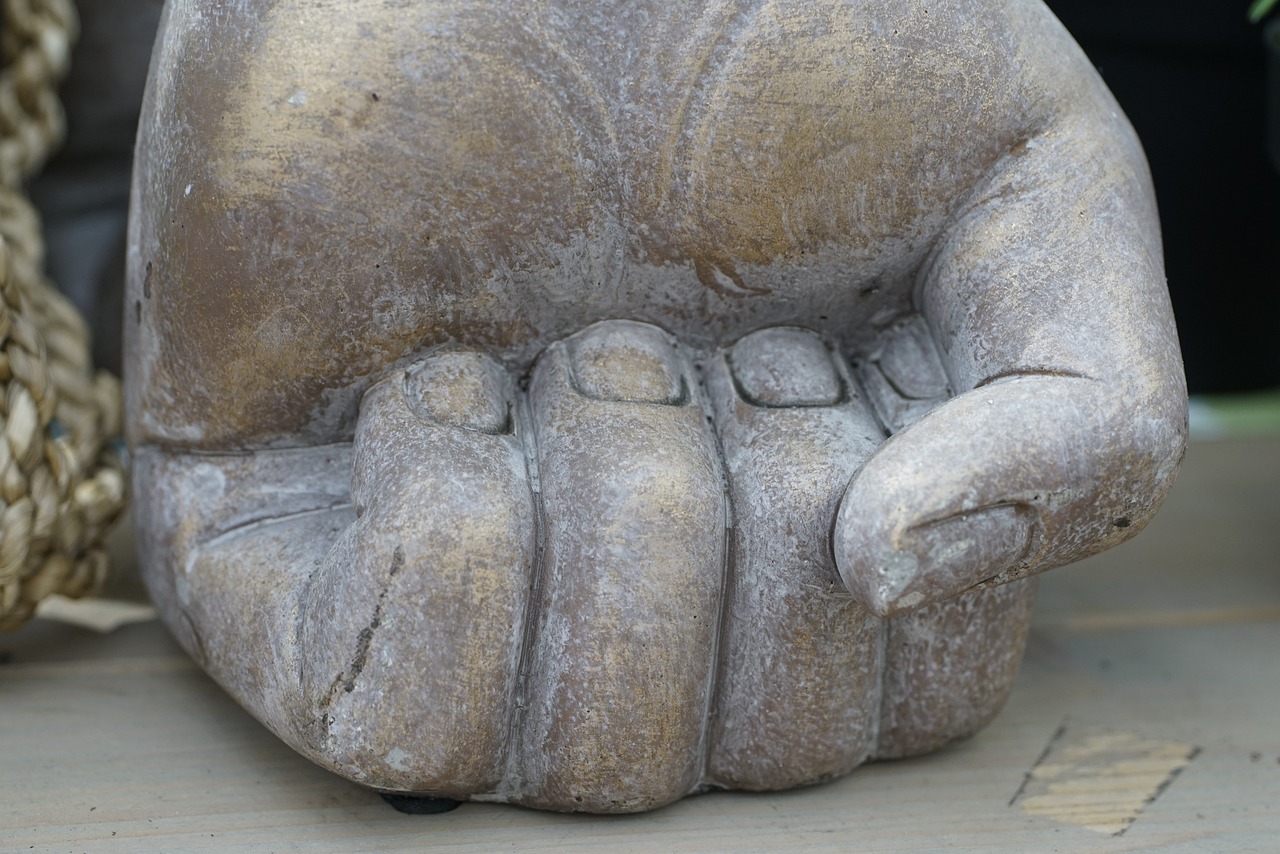
I found it interesting that as God gives His message to Ezekiel, he also coaches the prophet to “Strike your hands together and stamp your feet.” Punctuate the words, Wendy-like. Pound the pulpit. Emphasize the words you’re saying with a physical action to let your listeners know how passionately you feel about this and how important your message is.
In the quiet this morning, I simply find myself reminded of the words of the Sage of Ecclesiastes: There is a time for everything under the sun. There is a time for soft messages delivered gently, and there is a time for urgent messages emphatically delivered and physically punctuated. Wisdom is knowing the difference. Discernment is acting on it in both delivery and receipt.
Note: I plan to take tomorrow off and enjoy a long holiday weekend. See you next Tuesday!

If you know anyone who might be encouraged by today’s post, please share.