“The accused must stay in the city of refuge until the death of the high priest; only after the death of the high priest may they return to their own property.”
Numbers 35:28 (NIV)
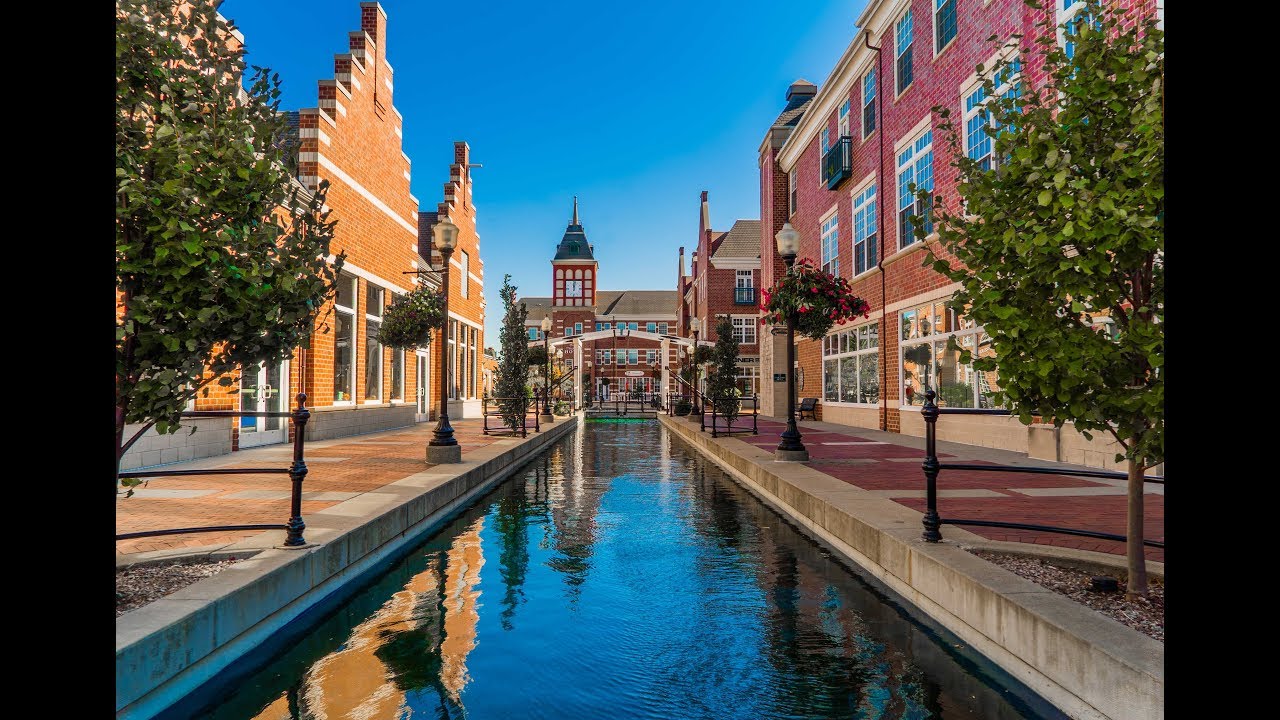
Our city of Pella here on the Iowa prairie has an incredible history. It was created by a Dutch pastor and his congregation who were fleeing religious persecution from the state church in the Netherlands. It was named Pella after an ancient city called Pella that was a “city of refuge” and to which early Christians fled from persecution and an impending war in Jerusalem between the Jews and Romans.
In today’s chapter, God commands Moses to create six evenly distributed towns throughout the Promised Land where the tribe of Levi would settle. Remember, the Levites were responsible for maintaining God’s traveling tent temple and the overseeing the entire on-going sacrificial system. God was their inheritance, not a plot of land. Nevertheless, they needed a place to live, so six cities were created for the Levites and God designated them “cities of refuge.”
In the entire history and development of human civilization, today’s chapter stands as a critical and revolutionary step forward. Other ancient cultures had largely undeveloped policies regarding sanctuary for the accused. God didn’t invent the idea of sanctuary out of thin air in today’s chapter, but He transformed a scattered, uneven practice into a theologically rich, justice-mercy structure that was unique to Israel and transformed the principles and policies of human justice.
There were six cities evenly distributed. The cities were Levite towns, meaning that the accused was under the protection of the priests and both mercy and justice were viewed directly as coming from God’s appointed representatives. The accused could not leave the walls of the city of refuge until the death of the high priest, so fleeing from an avenger was not just a blank check of forgiveness. There were boundaries to which the accused must adhere. There was also a very clear system that God put in place that required witnesses and a form of due process. Humanity had never seen anything like it.
Cities of refuge became a part of the human landscape and they have had a ripple effect throughout history. The early Jesus Movement largely survived and flourished because of a prophecy in which Christians were instructed to flee to ancient Pella. Had they stayed in Jerusalem, they may have been wiped out when the Romans destroyed the temple and city in 70 A.D.
In the 1800s, H.P. Scholte realized that there was little or no future for his largely poor, uneducated, and lower-class congregation members. He and his flock had no freedom of religion. He had already been imprisoned for obeying his conscience and defying the king who was head of the state controlled church. Scholte saw America for what it was, a land of opportunity where he and his followers were free worship however they wanted and where poor uneducated farmers might make a life for themselves and their descendants that would have been impossible in the Netherlands. So, he dreamed, designed, and built a new city of refuge on the Iowa prairie and named it after the ancient city that saved and launched the success of the Jesus Movement.
In the quiet this morning, as I meditate on the chapter and the history of cities of refuge, there are three things stirring in my soul:
God as Refuge: In both Jewish and Christian traditions, God carves out spaces of mercy in the midst of justice. This life journey contains moments where guilt—intentional or accidental—feels like a crushing weight. In today’s chapter God whispers: there is a place to run, and a God who receives you.
Boundaries of Grace: The city walls of the Levite towns remind me that refuge comes with boundaries. Forgiveness and safety are not license; they invite us to dwell in a different rhythm of life until God’s appointed time of release.
Death that Brings Freedom: For both Jew and Christian, the death of the High Priest as part of the system is key. It’s a reminder that death itself—Christ’s, and one day my own—is not an end but the doorway to freedom.
Grace often blooms most vividly when something old dies and something new begins.

If you know anyone who might be encouraged by today’s post, please share.