Tag Archives: Micah 1

Wordplay in The Word

Wordplay in The Word (CaD Mi 1) Wayfarer

One of the things that is lost on modern readers is the wordplay that Micah used when he wrote his messages in Hebrew. A chapter-a-day podcast from Micah 1. The text version may be found and shared at tomvanderwell.com.

For Samaria’s plague is incurable;
    it has spread to Judah.
It has reached the very gate of my people,
    even to Jerusalem itself.
Micah 1:9 (NIV)

Back in the day, my hometown of Des Moines had two daily newspapers. The Des Moines Register was delivered in the morning and The Des Moines Tribune was delivered in the afternoon. Ours was a Tribune household. Families were usually one or the other. On Sunday, both Register and Tribune subscribers got the “Sunday paper” which was huge. It was filled with entire sections you didn’t get on weekdays, the comics had their own section printed in color, and there were a million flier ads for all the major department stores.

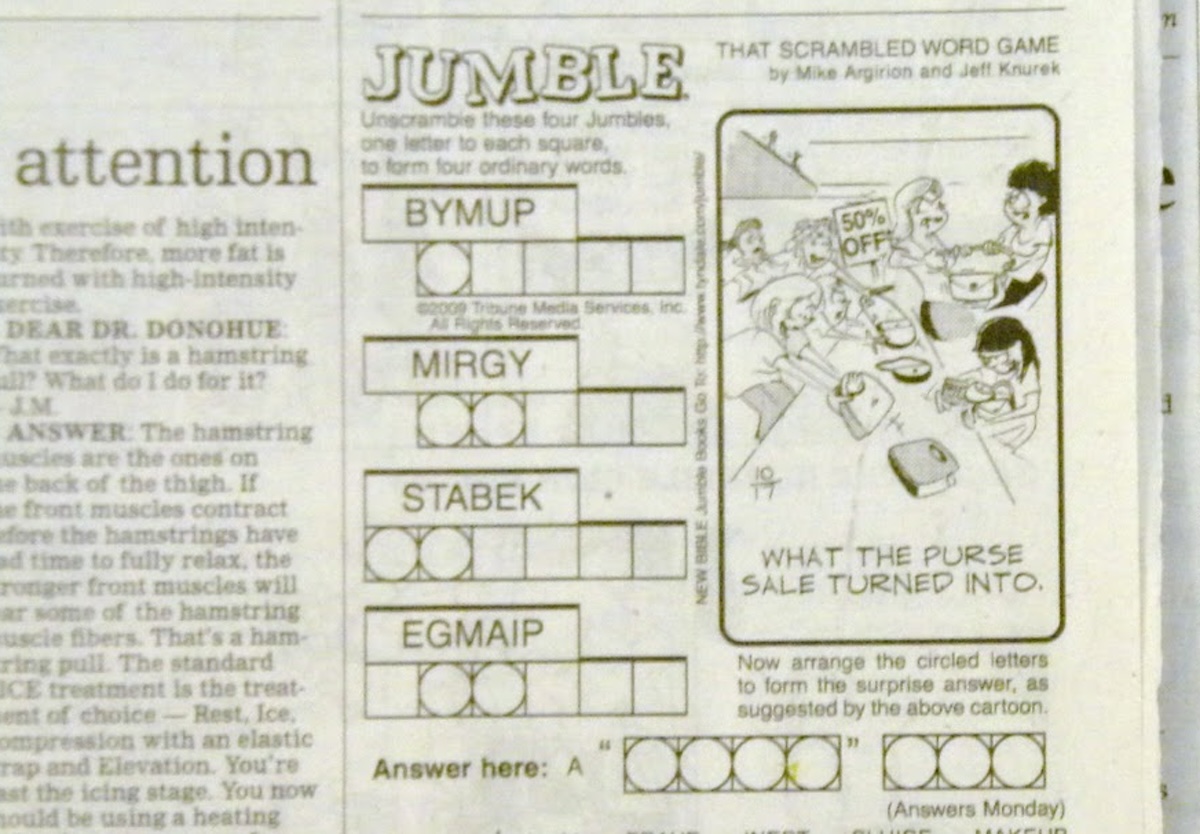
The “Sunday paper” was a weekly big deal. One of the reasons was that the Sunday Register had “Jumble” word puzzles that weren’t printed in the daily Tribune. My mom loved to spend her Sunday afternoons solving the puzzle of jumbled-up letters that would make words which would then provide the clues to a final word that was the punchline to an accompanying cartoon. I grew up loving to help, and I think it planted a seed in me. I’ve always loved word puzzles, and as I grew up I gained a fondness for learning new words, the history of words, and the use of creative wordplay in writing. It’s one of the reasons I’ve always loved Shakespeare. He was a master at playing with words in creative ways.

Today, this chapter-a-day journey begins a quick trek through the writing of the ancient prophet Micah. Micah was from a small town in Judah when ancient Israel had been divided into the two kingdoms of Israel (in the north) and Judah (in the south). It was a time of political, religious, and moral corruption, and Micah was speaking out to the people of both nations to warn them of God’s impending judgment. Micah correctly prophesied that both Israel and Judah would suffer destruction at the hands of the Assyrian Empire.

One of the things that is lost on modern readers is the wordplay that Micah used when he wrote his messages in Hebrew. Much like Shakespeare, Micah uses clever wordplay that weaves irony and sarcasm that would have made his messages memorable in their day. In today’s chapter, Micah uses the names of actual towns and cities where his audience lived and links them to sound-alike words in his message. As I mulled this over in the quiet this morning, I created a little word game for myself as I thought about some of the towns around where we live and how I might use them Micah-like:

You who live in Sully will be sullied by the rubble of your destroyed homes.

Those in Leighton will search for someone to lighten the burden of God’s judgment without success.

There will be no revenge for the people of Montezuma after the instrument of God’s wrath is finished.

The residents of Galesburg will reap the whirlwind of the Lord’s anger.

In the quiet this morning, the old Mary Poppins song came to mind with the message “A spoonful of sugar helps the medicine go down.” The ancient prophet’s message was harsh spiritual medicine for his audience. I have to believe that the wordplay in his writing was intended to make the message both memorable and easier to swallow. That’s not a bad reminder for me, or anyone who finds themselves having to communicate a bitter pill.

If you know anyone who might be encouraged by today’s post, please share.

Chapter-a-Day Micah 1

Advent candles are lit.  Look! The LORD is coming from his dwelling place; he comes down and treads the high places of the earth. Micah 1:3 (MSG)

Christmas draws near. You can't escape it. I'm travelling on business this week and across from my hotel is a used car lot roughly the size of the island nation of Grenada. The car lot is blasting Christmas music so that you can hear it in your car from across the street even when you have your radio on. 

Before Christmas was about decorations, reindeer, shopping, and eating it was called the season of Advent (from the Latin word "coming"). It wasn't a day, but a period of time leading to Christmas in which people prepared their hearts for Jesus' coming. It was an annual time of personal reflection that culminated in a celebration of God sending His Son to reconcile a broken people to Himself.

I've been thinking a lot about Advent this year. Perhaps that's why the verse above jumped off the page at me. As time goes on, I find that I'm seeking more than superficial holiday traditions. I'm searching within and looking out for the coming of Christ in my life, my family, and my community in new and powerful ways

Creative Commons photo courtesy of Flickr and  Steffe.

Chapter-a-Day Micah 1

This is why I lament and mourn. This is why I go around in rags and barefoot. This is why I howl like a pack of coyotes, and moan like a mournful owl in the night. Micah 1:8 (MSG)

This morning, as my daughter prepared to go to school, we had a little "come to Jesus" conversation. I'm not very stern by nature and this was a relatively minor issue. Nevertheless, it sure resonated as I read today's chapter. Parenting, I've discovered, requires a discerning mixture of affection and admonishment. Real love is not always gifts, hugs and pats on the back. Love also requires intervention, crucial conversation and consequences. The tough part is having the wisdom to know the difference and apply the appropriate side of love at the right moment (and realizing that you'll always make mistakes).

The prophets of the Old Testament, like Micah, are sometimes difficult to read and understand in a 21st century context. It helps me to consider that God is simply parenting humanity, and the prophets are his mouthpiece. The prophets were the vehicles of God's intervening, crucial conversations with his rebellious children. They convey a Father's stern rebuke and the warning of disastrous consequences. They also convey the hope and love that every parent has for their children – even when they mess up.