Tag Archives: Register

Wordplay in The Word

Wordplay in The Word (CaD Mi 1) Wayfarer

One of the things that is lost on modern readers is the wordplay that Micah used when he wrote his messages in Hebrew. A chapter-a-day podcast from Micah 1. The text version may be found and shared at tomvanderwell.com.

For Samaria’s plague is incurable;
    it has spread to Judah.
It has reached the very gate of my people,
    even to Jerusalem itself.
Micah 1:9 (NIV)

Back in the day, my hometown of Des Moines had two daily newspapers. The Des Moines Register was delivered in the morning and The Des Moines Tribune was delivered in the afternoon. Ours was a Tribune household. Families were usually one or the other. On Sunday, both Register and Tribune subscribers got the “Sunday paper” which was huge. It was filled with entire sections you didn’t get on weekdays, the comics had their own section printed in color, and there were a million flier ads for all the major department stores.

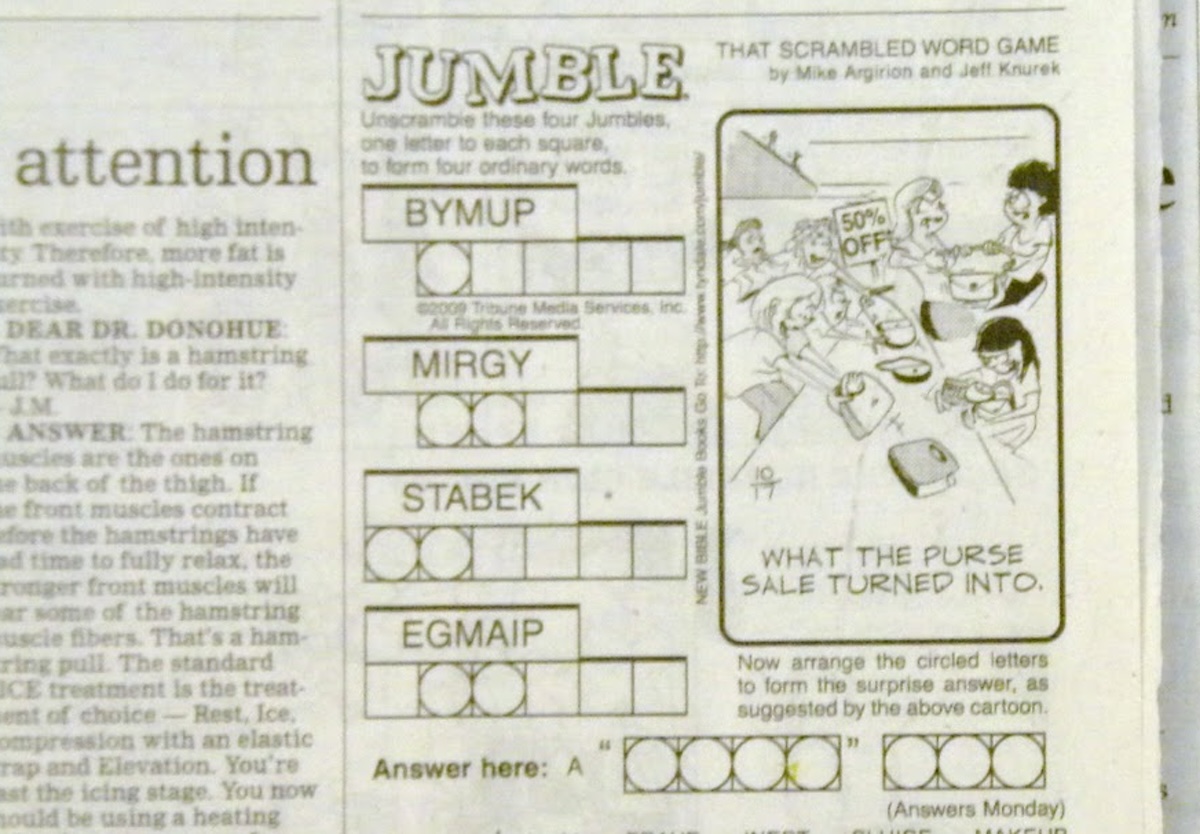
The “Sunday paper” was a weekly big deal. One of the reasons was that the Sunday Register had “Jumble” word puzzles that weren’t printed in the daily Tribune. My mom loved to spend her Sunday afternoons solving the puzzle of jumbled-up letters that would make words which would then provide the clues to a final word that was the punchline to an accompanying cartoon. I grew up loving to help, and I think it planted a seed in me. I’ve always loved word puzzles, and as I grew up I gained a fondness for learning new words, the history of words, and the use of creative wordplay in writing. It’s one of the reasons I’ve always loved Shakespeare. He was a master at playing with words in creative ways.

Today, this chapter-a-day journey begins a quick trek through the writing of the ancient prophet Micah. Micah was from a small town in Judah when ancient Israel had been divided into the two kingdoms of Israel (in the north) and Judah (in the south). It was a time of political, religious, and moral corruption, and Micah was speaking out to the people of both nations to warn them of God’s impending judgment. Micah correctly prophesied that both Israel and Judah would suffer destruction at the hands of the Assyrian Empire.

One of the things that is lost on modern readers is the wordplay that Micah used when he wrote his messages in Hebrew. Much like Shakespeare, Micah uses clever wordplay that weaves irony and sarcasm that would have made his messages memorable in their day. In today’s chapter, Micah uses the names of actual towns and cities where his audience lived and links them to sound-alike words in his message. As I mulled this over in the quiet this morning, I created a little word game for myself as I thought about some of the towns around where we live and how I might use them Micah-like:

You who live in Sully will be sullied by the rubble of your destroyed homes.

Those in Leighton will search for someone to lighten the burden of God’s judgment without success.

There will be no revenge for the people of Montezuma after the instrument of God’s wrath is finished.

The residents of Galesburg will reap the whirlwind of the Lord’s anger.

In the quiet this morning, the old Mary Poppins song came to mind with the message “A spoonful of sugar helps the medicine go down.” The ancient prophet’s message was harsh spiritual medicine for his audience. I have to believe that the wordplay in his writing was intended to make the message both memorable and easier to swallow. That’s not a bad reminder for me, or anyone who finds themselves having to communicate a bitter pill.

If you know anyone who might be encouraged by today’s post, please share.

Simple Virtues; Simple Joys

A Des Moines Tribune headline from the Iran Hostage Crisis in 1981 I still have in my archive.

You will eat the fruit of your labor;
Psalm 128:1-2a (NIV)

This morning as I went to the front door to gather the newspaper off the front porch, I was hit by a sudden wave of nostalgia. The simple joy of gathering the paper off the porch on a frigid January morning, and reading it over morning a hot cup of coffee is deeply rooted in my soul. I got my first job when I was almost twelve working as a paper boy for the now defunct Des Moines Tribune. There were two Des Moines newspapers when I was a kid. The Des Moines Register was the morning paper and the Des Moines Tribune was the afternoon paper. My buddy Scott Borg and I would categorize people in our neighborhood into “morning paper” people and “afternoon paper” people. Me and my family were afternoon paper people until the Des Moines Tribune closed up shop.

As a paperboy for “The Trib” I picked up my bundle each afternoon after school at the corner of Madison and Lawnwoods Dr. With a big yellow canvas paper carrier that was slung over the shoulder and a bag of rubber bands (or plastic bags on rainy days), I would begin my trek each week day west up Madison Avenue to Lower Beaver Road, then south to Douglas Ave. I would make my way back north on Lawnwoods Drive, as I zig-zagged up and down the side streets of Garden, Seneca, and Fleming Avenues. Delivering The Trib also meant you had to deliver the giant Des Moines Sunday Register early every Sunday morning. The slug who delivered The Register each weekday morning got to sleep in.

Map of my old paper route.

Every two weeks I was tasked with making a personal visit to each of my Tribune customers to collect their subscription fees. They would pay me and I would give them a little receipt torn from a perforated sheet of receipts. I would have to count the money, balance the amount, and turn it in to my regional manager. I got to know many of the people in the neighborhood around my home and even got a tip from time to time.

I come from a family in which the protestant work ethic was firmly engrained. Work was a virtue to be pursued at an early age. From my early career in the newspaper business I became an “Inventory Specialist” for my dad’s sign company. The monotonous task of counting hundreds of screws, bolts and washers out of large bins taught me very quickly that I just might want to do something different with my life. Paperboy, bolt counter, corn pollinator, lawn maintenance, film duster, actor, babysitter, bus boy, and retail clerk. By the time I left high school and headed off to college I had a wealth of work experience. By the time I left college I could add librarian’s assistant, cook, dishwasher, resident assistant, waiter, caterer, and voice over talent to the list.

There is honor in doing a job. There is even greater honor in doing a job well. That was the example of my grandparents, parents, and older siblings. That was the ethic of my Dutch ancestors. I’m grateful for that. This morning I’m thinking about simple virtues like doing a job, and about simple joys like opening up a newspaper with your morning coffee and reading your news “the old fashioned way.”

Enhanced by Zemanta