Tag Archives: Jeremiah 38

Under Siege

Under Siege (CaD Jer 38) Wayfarer

So they took Jeremiah and put him into the cistern of Malkijah, the king’s son, which was in the courtyard of the guard. They lowered Jeremiah by ropes into the cistern; it had no water in it, only mud, and Jeremiah sank down into the mud.
Jeremiah 38:6 (NIV)

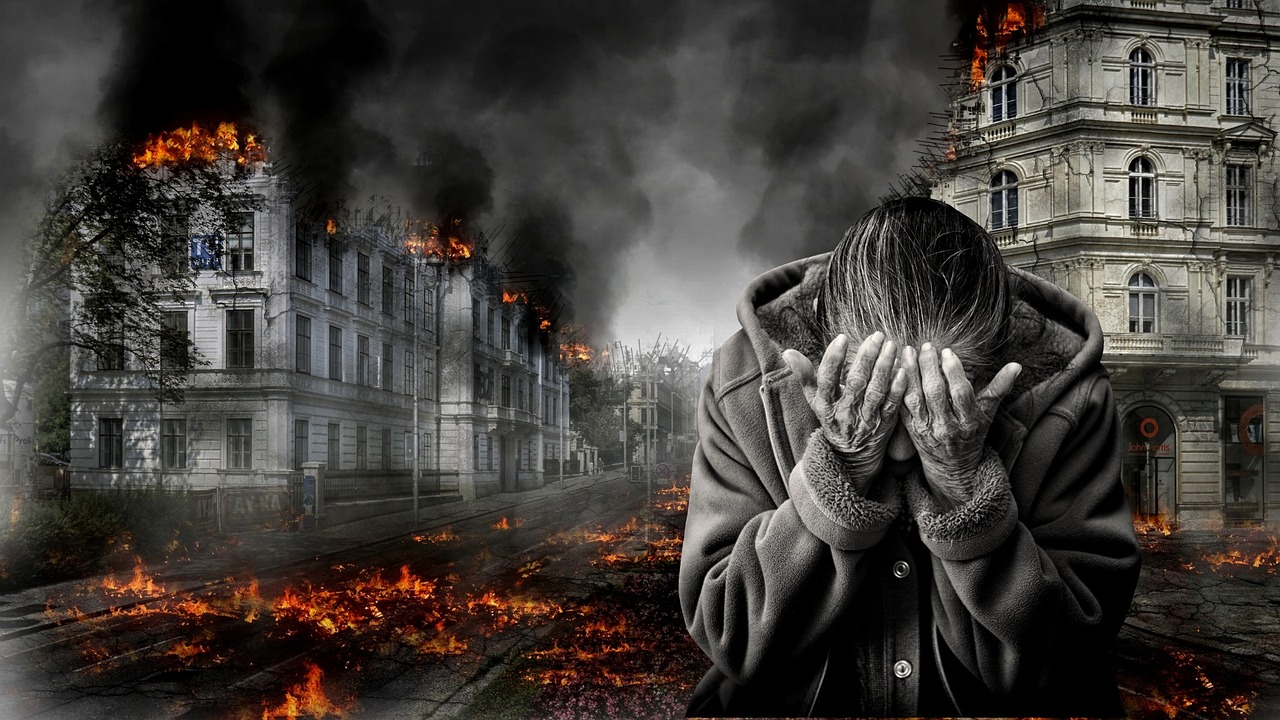
Being the victim of a siege exacts a huge toll on a person. Even in modern conflicts like the current war in Ukraine, the devastating effects of long-term isolation, starvation, anxiety, fear, and boredom are well-documented. Janine di Giovanni, author and senior fellow at the Yale Jackson Institute for Global Affairs wrote of the siege of Aleppo, “Sieges destroy the body, but… what’s far more damaging is the annihilation of the soul.”

It starts with shock and disorientation, followed by depression and increased rates of suicide. As a siege drags on, apathy and alcoholism are common and eventually give way to breakdown of social structures.

Today’s chapter has all the signs that the Babylonians’ 30 month siege of Jerusalem had exacted the desired toll on the residents inside. Depressed and bored, four young men get tired of Jeremiah’s constant proclamations of death and destruction. They petition King Zedekiah to let them kill Jeremiah. The king apathetically grants their wish. Inside the court of the guard where Jeremiah is confined there is a deep water cistern. Because of the siege, it’s empty. All the water has been consumed leaving nothing but muddy sediment at the bottom. Jeremiah is thrown in and he sinks into the mud.

Fortunately for Jeremiah, he has at least one friend left. A young African eunuch serving the King hears of Jeremiah’s plight and petitions King Z to let him rescue the prophet. The apathetic King Z grants the petition, telling the eunuch to take 30 guards with him (presumably as protection against the men who wanted to kill Jeremiah in the first place).

After Jeremiah is rescued, King Z summons Jeremiah. It would appear that Z realizes that Jeremiah’s prophetic messages were true and he wants to know the truth of what will happen to him. In a private heart-to-heart, Z shares his fears with the prophet. Jeremiah tells the king to surrender. The king, realizing that there are still those who want Jeremiah dead, instructs the prophet what to say if he’s confronted and questioned.

In the quiet this morning, I couldn’t help but think about what it must have been like for Jeremiah to witness all that he had prophesied coming true. He had been proclaiming this fate for decades, and now he is suffering that same fate along with those who refused to listen and railed against him the entire time. He suffered rebuke, rejection, and retribution before the siege, now he is suffering the effects of the siege along with those who never believed him. Sometimes, it sucks to be right.

Once again, I am struck by my human need for a prophet in my life. King Z has never been a friend to Jeremiah, but as events close in on their climactic end, he realizes that the prophet is perhaps the only one he can trust to speak the truth to him. There are moments along life’s road when life feels like I am being besieged on all sides by circumstances I don’t control. It comes with this earthly journey through a fallen world, and it can exact a tremendous toll.

That is the truth. And, it’s in those moments I need a friend who is a prophet.

If you know anyone who might be encouraged by today’s post, please share.

The Prophet and The Politician

He is in your hands,” King Zedekiah answered. “The king can do nothing to oppose you.
Jeremiah 38:5 (NIV)

Not long ago I ran into an old school friend from my middle school and high school years. In casual conversation about where our respective journeys have taken us, she asked if I was ever going to run for political office as had been my plan and passion back in the day. I was taken aback that she remembered, and I laughed to myself as I realized how long ago I tossed that childhood dream by the wayside.

Along my journey I’ve known some individuals in politics. Being an Iowan, I have occasionally involved myself in the election process and rubbed shoulders with a few of the small army of candidates who come campaigning for President every four years. I believe that there are really good people in politics who do their best to do good for our country. Yet, here’s what I have observed:

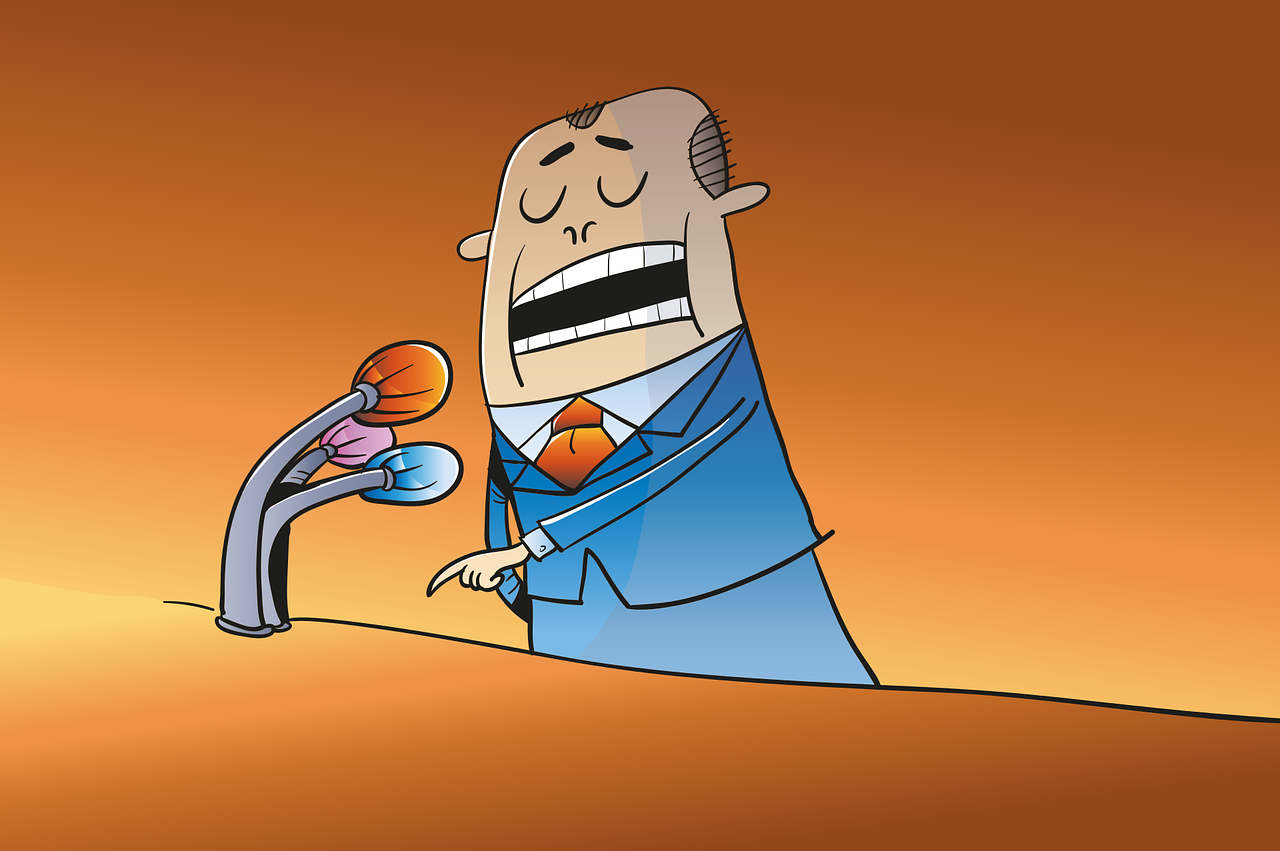
Politics is a game. Power is the prize. A politician says what people want to hear just to get elected. They then say and vote as the power brokers of their party demand in order to get ahead. Both parties pull identical political stunts (depending on their power position in the moment) then point the finger at the opposing party and scream accusations as if they’ve not done the same thing a few years before.

While I’m sure it’s somewhat different at a local level, I learned long ago that I’m not wired to play that game. It would slowly drain all Life from my spirit.

To get a feel for what’s happening in today’s chapter of Jeremiah’s story, you’ve got to read the political situation that’s present between the lines. First of all, the ancient practice of siege warfare was a slow, brutal process. The Babylonian army had surrounded Jerusalem and cut off all supply lines into the city. As the supply of food and fresh water diminish, fear and anxiety grow to unprecedented levels among the population. Power structures break down and those in power desperately try to stave off anarchy.

King Zed finds himself between a rock and a hard place. His political rivals, sick of listening to Jeremiah’s incessant prophesies of defeat, ask the King for Jeremiah’s head. The King grants it (because that’s what you do when you’re a politician trying to hold onto power). Jeremiah is thrown down the bottom of a muddy well to die. The King’s eunuch then asks the King (in private) if he might rescue Jeremiah. The King tells him to do so in secret (because when you’re a politician you secretly work back channels to accomplish what you want).

Jeremiah is summoned by King Zed who asks the prophet to give him a Word from the Lord. “Give yourself up to the King of Babylon and you’ll live,” Jeremiah tells him. Zedekiah, however, is afraid that those citizens who have already surrendered themselves to the Babylonians will turn against him if he gives himself up (and a politician is always worried about maintaining his/her power, popularity, and position). Jeremiah assures the King this will not happen.

Upon conclusion of their private conversation, King Zed warns Jeremiah that he will be asked what they talked about. Being a politician, Zed tells Jeremiah how to “spin” his answer so as to avoid political trouble for both of them (because a politician is always looking for a good win-win).

This morning in the quiet I find myself thinking about the contrast between Jeremiah the prophet and Zedekiah the politician. The prophet suffers for speaking the truth and being true to the Message, but beneath the suffering the prophet seems to exemplify a certain spiritual peace that comes from being true, steadfast, and faithful. The politician, on the other hand, enjoys the position and creature comforts afforded by his power, but beneath the surface lie fear, anxiety, worry, and the mental chaos from constantly navigating political minefields in the endless desperation to survive.

I am thankful this morning for the good people I know doing their best to serve in the political arena (on both sides of the aisle). I’m also thankful that God led my journey down a different path than the one I’d desired when I was a wee lad. I’m wired to be more prophet than politician, I think.

Though, I confess that I’d prefer not to get thrown into a well.

Chapter-a-Day Jeremiah 38

King Zedekiah caved in: “If you say so. Go ahead, handle it your way. You’re too much for me.” Jeremiah 38:5 (MSG)

King Zedekiah is an interesting study in leadership. Let’s quickly examine his tosses and turns in this one chapter:

  • He caves into one group of officials and lets them throw Jeremiah into the well.
  • An Ethiopian official tells the King he shouldn’t have done it, so the king changes his mind and orders that Jeremiah be hauled up from the well.
  • The King then decides he wants to hear what Jeremiah has to say and calls Jeremiah in for a secret chat.
  • The King then refuses to do what God tells him to do through Jeremiah, because he’s afraid of what the Judean political party might do in response.
  • The King then makes Jeremiah swear to lie about their conversation because he’s afraid of what his officials might say.

I’ve observed that people generally don’t follow, nor respect, leaders who change their minds and change their course like a shifting wind. Unbridled fear leads to poor decisions. Zedekiah provides an classic word picture of weak leadership. Unfortunately, everyone in Jerusalem suffered for it.

Creative Commons photo courtesy of Flickr and spodzone