Tag Archives: Needy

Questions of Justice

Questions of Justice (CaD Ps 82) Wayfarer

Defend the weak and the fatherless;
    uphold the cause of the poor and the oppressed.

Psalm 82:3 (NIV)

Earlier this year, as the world grappled with the inescapable footage of George Floyd dying under the knee of a police officer, Wendy called a family Zoom meeting. Each person shared their thoughts and emotions. Each person discussed what he/she felt personally led to do in the wake of the event. During that same time, Wendy and I had similar conversations among different circles of our close friends.

I haven’t forgotten those conversations. I’m not sure I ever will. As I approach the end of this tumultuous year and reflect on all that I’ve experienced, I’m mindful of those conversations about my responsibility, both as a follower of Jesus and as a responsible human being, for acting on my faith to make a difference in the lives of the poor, defenseless, and oppressed.

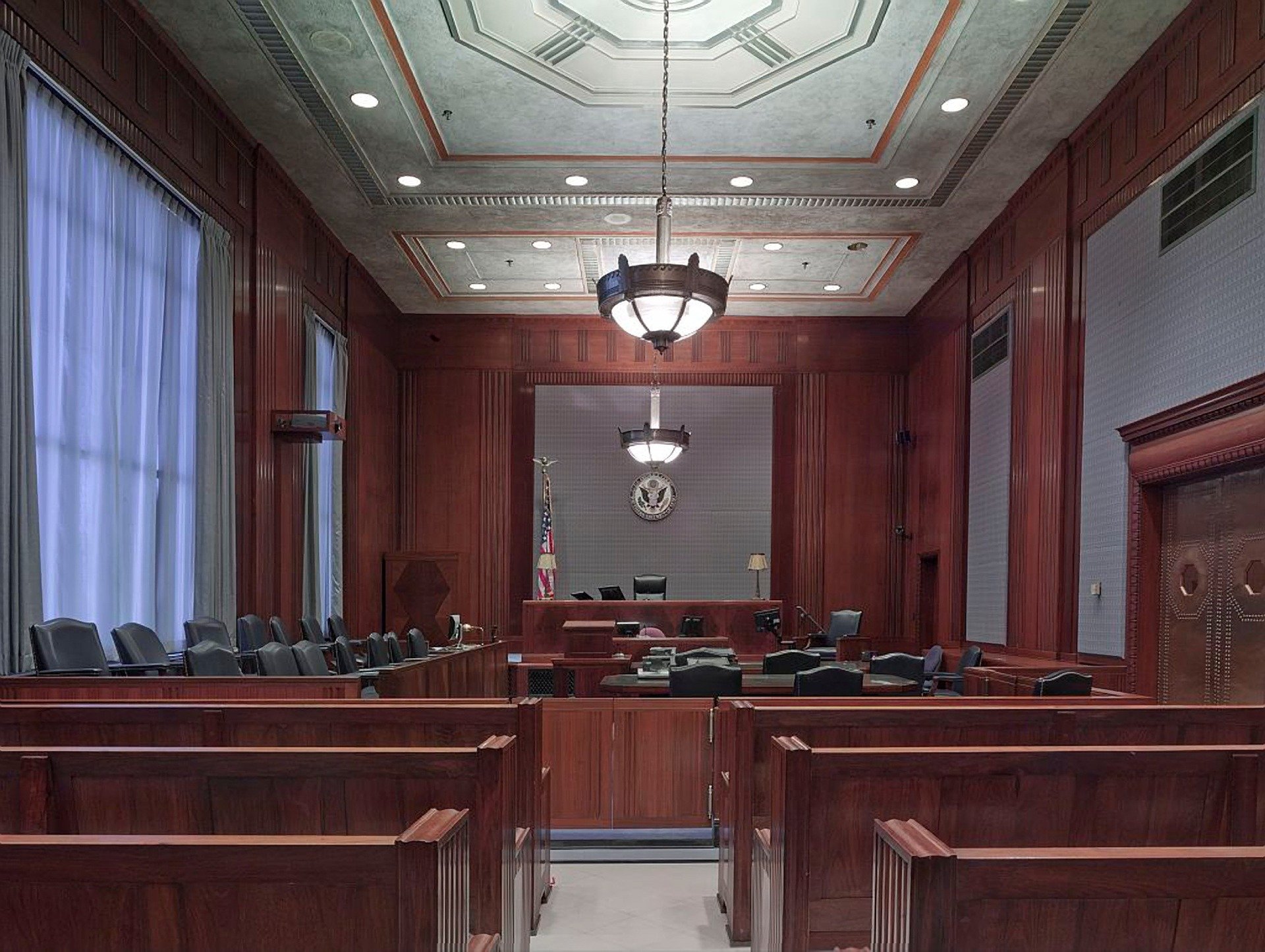
Today’s chapter, Psalm 82, is another liturgical song that was written to be sung when all of the Hebrew people gathered for worship. It’s fascinating for the fact that Asaph draws on a common religious metaphor found in the cultures of the Near East at that time; It’s the image of a divine assembly in a heavenly hall of justice. God is sitting in judgment of the assembled “gods.” In those days, rulers of both religion and society could be considered “gods” or “sons of god” because they were considered divine agents of their society and religion.

The voice of Asaph’s lyrics is that of a temple prophet. It’s the ancient Hebrew version of a protest song. He calls society’s leaders out for caring about the poor, needy, and oppressed. He reminds them that God, the ultimate, righteous judge, will render verdict on these societal “gods” for what they did for lowest members of society. He ends his short song of protest asking God to rise up and mete out justice.

Asaph’s lyrics make me think about Jesus. I think about Jesus’ teaching and example as He spent most of the time bringing love, healing, and grace to the fringes of society living on the outskirts of His country far away from the halls of societal power and justice. The civic and religious “gods” of Jesus’ day would eventually kill Him for it.

The words of Asaph’s song leave me sitting in the quiet this morning thinking about those conversations with family and friends from earlier this year. I’m pondering some of the things that I have consciously done as a result, as well as those things that I have left undone. My thoughts shift to the road ahead as the New Year approaches. I ask myself, “Do my actions make me more like Jesus, or do they make me more like the “gods” of Asaph’s metaphorical trial?”

I’m uncomfortable with the answer.

Chapter-a-Day Leviticus 19

via Flickr and vanhookc

“When you harvest your land, don’t harvest right up to the edges of your field or gather the gleanings from the harvest. Don’t strip your vineyard bare or go back and pick up the fallen grapes. Leave them for the poor and the foreigner. I am God, your God.” Leviticus 19:9-10 (MSG)

It is spring in Iowa and as I drive down the highway I can see the perfectly planted rows of corn and soybeans emerging in bright green dotted lines on a canvas of thick, espresso and black soil. Farmers have planted their fields wisely to get as many seeds in each row and as many rows in each field to ensure, God willing, a high yield and a measureable profit. Come harvest, they will gather as much grain as they possibly can for market.

I found it an interesting contrast to read God’s command to the farmers in the days of Moses. Poverty was as much a social issue and economic reality for people in the days of Moses as it is today. What I find fascinating in today’s chapter is that God’s prescription was for individuals to take personal responsibility for giving of their own means to the poor in their own community. The farmer left some of his field unharvested so that the poor in his community could eat and have a little to trade for their needs. There was a direct transaction of goods between people who knew one another and lived together in community. I also note that God did not command the farmer to harvest the crop and give some his profits to the poor, not did he command Moses and his cabinet of elders to take grain from farmers and administrate a system of distribution among the poor. The crop was left standing and the gleanings left so that the poor had to go to the field and do the work of harvesting it for themselves. It was a constant reminder to those of fewer means that the harder they worked, the more they had to eat and trade. There were no food stamps in the law of Moses, only food available for those who were willing to do the work to harvest it.

Enhanced by Zemanta