Tag Archives: Jephthah

Childish Notions

Childish Notions (CaD Jud 11) Wayfarer

And Jephthah made a vow to the Lord: “If you give the Ammonites into my hands, whatever comes out of the door of my house to meet me when I return in triumph from the Ammonites will be the Lord’s, and I will sacrifice it as a burnt offering.”
Judges 11:30-31 (NIV)

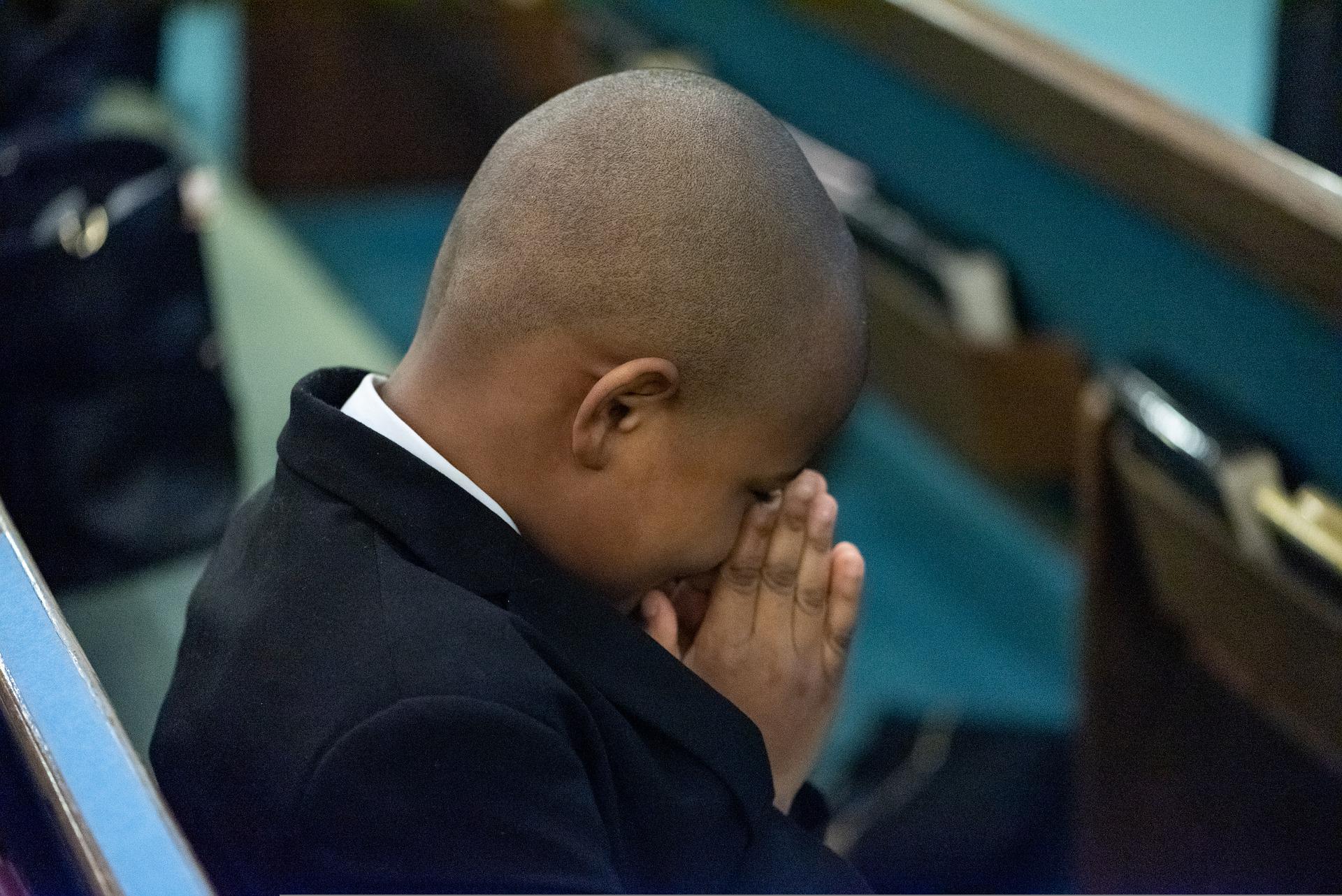
As a boy, I remember that my prayers were often contract negotiations. In my childhood, prayer was something that happened on three occasions outside of church. There was the prayer before meals which consisted of dad saying the Lord’s prayer or his other stock pre-meal prayer followed by all four kids chanting the simple pre-meal prayer in Dutch that grandma and grandpa Vander Well taught us. Then there was the bedtime prayer, which was the stock “Now I lay me down to sleep” version. The third occasion for prayer was when I desperately wanted something to happen and I had no control over it.

Examples of these things that I desperately wanted typically involved girls. For the record, I never experienced the “girls a dumb” phase of boyhood. I had my first crush in Kindergarten and things only grew more intense from there. There were also the four Super Bowls in my childhood that involved the Minnesota Vikings. Those were, perhaps, the most desperate contract negotiations with God of all time. History will tell you how that worked out for me. I’m sure I made God all sorts of promises and vows on those Super Bowl Sundays. Sports, in particular, were the catalyst for contractual prayers: “God, if you see to it that my team wins, then I will….”

Today’s chapter is one of the most difficult and disturbing in all of the Great Story. It involves a man named Jephthah who utters a contractual prayer as a vow to God. If God grants him victory then he’ll sacrifice the first thing that walks out of his home as a burnt offering to God. He is victorious, and the first thing that walks out of his home is his only child, a young daughter.

I am fond of remembering that these stories come out of the toddler stage of human civilization when humanity’s knowledge and understanding of life, self, and God was about as developed as your average three-to-five-year-old is today. There are a couple of other contextual observations I must ponder as I mull over this tragic story. One is that the author of Judges reminds me twice that during this period of time “everyone did as they saw fit” (17:6; 21:25). Jephthah’s vow was incongruent with God’s law, yet this was also a time when the Hebrew people regularly worshipped the gods of neighboring peoples and participated in their rituals, including deities like Chemosh and Milkom. It is well documented that these religions would at times practice child sacrifices and the practice was viewed as a very serious act of religious devotion. In Jephthah’s day, his actions were, sadly, understood and accepted. His actions stand as an example of why God so desperately wanted His people to forsake these other religions.

Paul wrote in his epic love chapter: “When I was a child, I talked like a child, I thought like a child, I reasoned like a child. When I became a man, I put the ways of childhood behind me.” As I look back at my childhood and my childish notions about God and life, I am both amused and ashamed to have thought and believed such things. At the same time, they stand as a benchmark and a reminder of my spiritual progress over fifty-some years. The real tragedy would be to look back and find that my spiritual understanding had never progressed beyond contractual negotiation for trivial gain.

In the quiet this morning, that’s how I find myself viewing and mourning Jephthah’s tragic story. After over 40 years of reading and studying the Great Story, I am mindful that it contains stories that are examples to follow and stories that are warnings and examples to avoid. Today’s chapter is the latter.

If you know anyone who might be encouraged by today’s post, please share.

Things I Don’t Control and Things I Do

Now Jephthah the Gileadite, the son of a prostitute, was a mighty warrior.
Judges 11:1a (NRSV)

Jephthah, son of prostitute. How long had that moniker followed him? His glories in battle, his deliverance of his people, and his leadership could not wipe the reference away. Dale Carnegie taught us, “you never get a second chance to make a first impression” and for thousands of years, the first impression we have of Jephthah is that he was born to a prostitute.

The fact that he was progeny of an anonymous woman of the evening was not under Jephthah’s control. He had no say in the matter. Still, this heritage marked him for life. It led to being driven away by his half brothers. I can only speculate (having known those of similar fate) that he had a chip on his shoulder throughout his life.

When Adam and Eve ate the forbidden fruit, the first consequences of their sin was shame. They realized they were naked. They felt their exposed bodies were bad and something they had to cover despite the fact that God said that the way He created their bodies was good and the Garden had been a nudist paradise to that  point. Once sin entered the picture, humanity has forever been locked in a struggle with our shame, and we see that struggle in the story of Jephthah.

What I find interesting about Jephthah is that his story is bookended by contrasting examples of sin and shame. At the beginning of the chapter it was the sin of the father (sleeping with a prostitute) that led to shame being visited upon his son for the rest of his days. At the end of the chapter, it was Jephthah’s own foolish actions that led to the despicable human sacrifice of his daughter and solidified his story as a tragedy for the ages.

This morning I’m thinking about the fact that I have things that I don’t control (the family into which I’m born) and things that I do control (my own thoughts, words, actions, and relationships). Shame, that core pain in the depths of my heart that perpetually whispers to my soul that there is something terribly wrong with me, originates from both sources. It runs in the blood of my forebears and it is confirmed in my own foolish choices.

As I write this, less than two weeks from Christmas, I’m reminded that it was Jesus’ mission to address my shame. The progeny of God, born in swaddling clothes and placed in a manger, came that He might take on all of my sin and shame when He died in my place on the cross, so that I might be unshackled from my shame and find redemption.

God made him [Jesus] who had no sin to be sin for us, so that in him we might become the righteousness of God.

God, grant me the serenity to accept the things I cannot change.
The courage to change the things I can.
And, the wisdom to know the difference.

chapter a day banner 2015

featured image by Gwen Meharg