The Sting (Cad Am 2) – Wayfarer
“For three sins of Israel,
even for four, I will not relent.
They sell the innocent for silver,
and the needy for a pair of sandals.
They trample on the heads of the poor
as on the dust of the ground
and deny justice to the oppressed.
Father and son use the same girl
and so profane my holy name.
They lie down beside every altar
on garments taken in pledge.
In the house of their god
they drink wine taken as fines.”
Amos 2:6-8 (NIV)
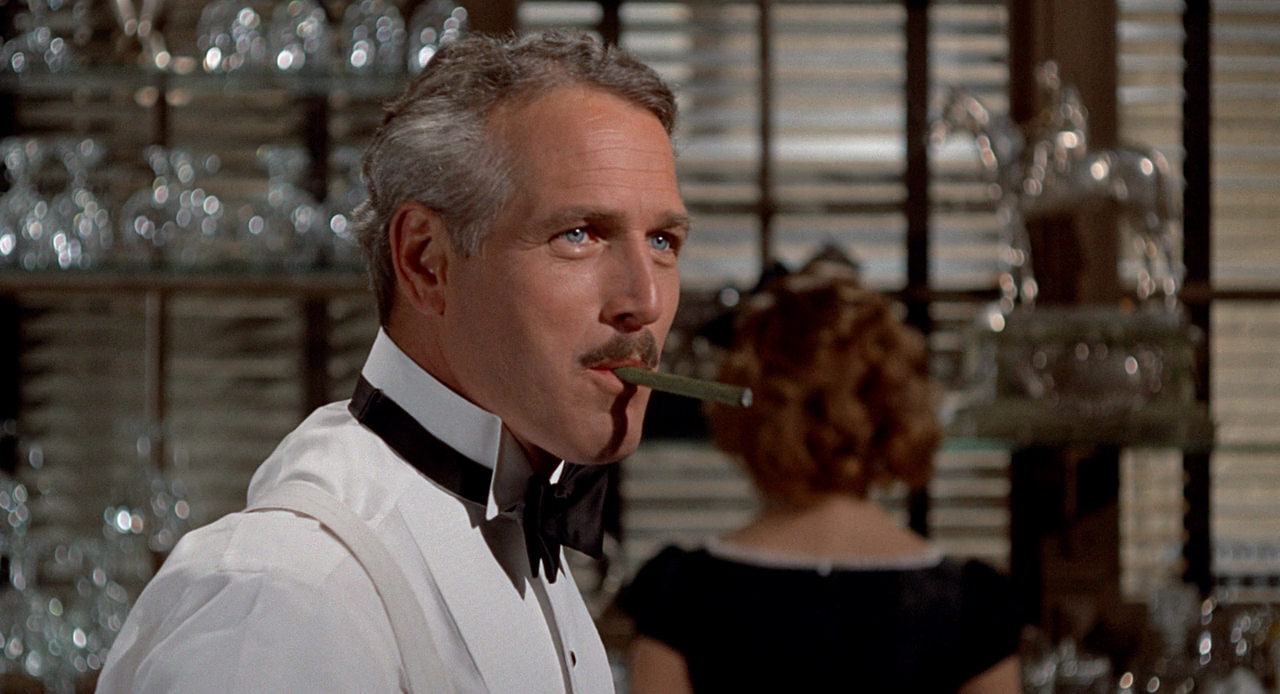
Wendy and I were watching Jeopardy! the other day and one of the questions referenced a classic movie of the 70s The Sting with Robert Redford and Paul Newman. The movie tells the tale of two small-time street hustlers and con-men who run a “sting” operation, “the big con” against a big-time gambler and Irish mob boss, played by Robert Shaw. The movie won seven Oscars including Best Picture. It’s a great film.
I thought about The Sting this morning as I meditated on the first two chapters of Amos. As I mentioned in yesterday’s chapter, Amos was not from nobility and he didn’t have high social status. He was a working class prophet from Judah whom God called to prophesy against the northern kingdom of Israel. Amos is from Judah, so him marching into Israel with God’s Message will be as well received as a Cyclone sweatshirt in Kinnick Stadium.
What Amos does in these opening chapters is as shrewd as a street hustler working a prophetic sting. Amos begins with a series of prophesies against neighboring kingdoms. Under King David and Solomon, these territories were part of the united kingdom of Israel, but when Solomon died and the nation divided, these neighbors went back to self-rule. Nevertheless, they are neighboring states and they probably had all of the rivalries and border jokes that exist between neighboring states today.
As Amos’ prophesies criss-cross geography of these neighboring states, he is inviting his audience in Israel to agree with him.
“Yeah, Amos! You tell ’em! Give those no-good cheaters in Tyre an ear full!”
His audience in Israel would have especially loved it when Amos prophesies against his own team in Judah. At that point, he’s got them sucked in. The people of Israel are loving this street preacher from down south. He’s got them hooked. Then he pulls the sting.
His audience in Israel can’t gloat over the prophetic doom Amos’ has proclaimed for all the rival teams in the region and then suddenly excuse themselves. They are just as guilty. They do the same things.
Amos’ opening message to the people of Israel paint a picture of affluent Israelites using their power and prestige to oppress the poor, ignore God’s law, act immorally, and corrupt God’s people.
God’s law was designed to care for those who had little. For example, if you loaned money to a poor person and took their cloak as collateral, you were supposed to return it by sunset. You don’t leave a poor person without a blanket on a cold night. The rich of Israel were ignoring this.
God’s law also had strict codes of conduct for how one treats those under your care. Fathers and sons were using their power to sexually abuse the same female bond-servants in their own households.
Faithful followers of God in that day sometimes took a “Nazarite Vow” not to drink wine or cut their hair for a period of time. The people of Israel were mocking this, urging those who had taken the vow to break it. They were telling prophets to keep their mouths shut.
As I meditated on this in the quiet this morning, I couldn’t help but hear Jesus’ words echo in my soul: “Truly I tell you, it is hard for someone who is rich to enter the kingdom of heaven.” Along my own life journey, I’ve experienced both what it’s like to have much and what it’s like to have little.
When I have much, it is easy to get used to the status and perks that go along with it. It’s easy to begin thinking I deserve them. It’s easy to expect that I will, and should, always have them. It’s easy to forget what it’s like to have little, and it’s easy to begin overlooking those who have little. It’s easy for me to think that I’m different in my affluence than everybody else.
Then comes along a street hustler of a working man’s prophet name Amos. Amos reminds Israel, and reminds me, that I’m no different than any other person from any other people group from any other place. God calls me to take an honest look at my own heart, motives, thoughts, words, and actions. How has affluence subtly corrupted me and turned me into a person I don’t want to be?
There’s a great line in The Sting when Henry Gondorff asks Johnny Hooker if he’s sticking around to collect his share of the take. “Nah,” Johnny answers, “I’d only blow it.”
And, that’s the thing. With all that I’m blessed to have, how do I not “blow it?”

If you know anyone who might be encouraged by today’s post, please share.