Tag Archives: Scale

Best of ’24: #8 Transformation

Transformed (CaD Ezk 11) Wayfarer

I will give them an undivided heart and put a new spirit in them; I will remove from them their heart of stone and give them a heart of flesh.
Ezekiel 11:19 (NIV)

I got to bless a friend yesterday. A few weeks ago a mutual acquaintance told me how blown away he was by a conversation the two of them had. “Tom, the person I spoke with is not the same person I knew ten years ago. He’s changed!” It was a compliment of the highest order. One friend saw in the other friend the life transformation that happens when God’s Spirit indwells a willing heart. What a cool thing.

The life of John the Apostle is another wonderful story of transformation. When Jesus first meets the fisherman and his brother, they are brash men. When a village refused to let Jesus and His disciples into the town, John and his brother suggested to Jesus that He call down fire from heaven and burn the village and all the people in it. Jesus called the pair “The Sons of Thunder” for their quick, unbridled tempers.

A few years later, John is a different person. No longer “Son of Thunder,” John has become “the disciple Jesus’ loved.” That love had a transforming effect in John’s life. It is John that Jesus chooses to give the responsibility of caring for and loving His mother after His death. John’s letters repeat the importance of love over and over and over again. Late in life, the aged John reportedly said nothing but, “Little children, love one another” repeatedly.

In today’s chapter, Ezekiel’s vision, which began back in chapter nine, comes to a conclusion. Zeke, having seen God’s judgment and anger cries out and asks God if He is any of His people will survive. God responds with a promise that a remnant will survive. Exiles like Zeke will return to Jerusalem and Israel. God then gives Zeke a fascinating metaphor, telling the prophet that He will put a “new spirit” into them, “remove their heart of stone,” and “give them a heart of flesh.”

One of the powers of metaphor is that they are layered with meaning. The Hebrew people had spent 400 years in slavery in Egypt, and Egypt was a popular place to flee in times of trouble (e.g. Mary and Joseph took flight to Egypt with baby Jesus to avoid Herod’s wrath). So the beliefs and customs of Egypt were known.

The Egyptians believed that the heart was used to judge a dead person’s worthiness for the afterlife. During the mummification process, the heart would be literally weighed. A heavy heart, weighed down with guilt and shame, would not make the cut. Those who heard Zeke’s prophetic word, would have recognized that “a heart of stone” was not a good thing. To this day, we understand that a hard heart is a bad thing.

When God says He’ll remove the heart of stone and replace it with a heart of flesh, there is hope of a new life. It is a beautiful picture of the transformation that occurs in the life of Jesus’ disciples. Paul wrote that anyone who is in Christ is a “new creation.” Old things pass away and new things come. The rock-hard heart is replaced with a heart of flesh, pumping new Life into the person.

In the quiet this morning, I reflected on the transformation I’ve felt in my own life over the course of forty-plus years as a disciple. Like John, like my friend, I can look back at things I felt, things I did, and things I said and feel ashamed for all of it. I’m so grateful to God that my heart has increasingly softened and I don’t feel, act, or say the things like that any more. I pray that God continues my spiritual heart-replacement therapy as long as I am on this earthly journey. I never want God’s transforming work to end in me. Ten years from now I’d like to have someone say, “Tom’s not the person he was ten years ago! He’s changed.”

If you know anyone who might be encouraged by today’s post, please share.

These chapter-a-day blog posts are also available via podcast on all major podcast platforms including Apple, Google, and Spotify! Simply go to your podcast platform and search for “Wayfarer Tom Vander Well.” If it’s not on your platform, please let me know!

Transformation

Transformed (CaD Ezk 11) Wayfarer

I will give them an undivided heart and put a new spirit in them; I will remove from them their heart of stone and give them a heart of flesh.
Ezekiel 11:19 (NIV)

I got to bless a friend yesterday. A few weeks ago a mutual acquaintance told me how blown away he was by a conversation the two of them had. “Tom, the person I spoke with is not the same person I knew ten years ago. He’s changed!” It was a compliment of the highest order. One friend saw in the other friend the life transformation that happens when God’s Spirit indwells a willing heart. What a cool thing.

The life of John the Apostle is another wonderful story of transformation. When Jesus first meets the fisherman and his brother, they are brash men. When a village refused to let Jesus and His disciples into the town, John and his brother suggested to Jesus that He call down fire from heaven and burn the village and all the people in it. Jesus called the pair “The Sons of Thunder” for their quick, unbridled tempers.

A few years later, John is a different person. No longer “Son of Thunder,” John has become “the disciple Jesus’ loved.” That love had a transforming effect in John’s life. It is John that Jesus chooses to give the responsibility of caring for and loving His mother after His death. John’s letters repeat the importance of love over and over and over again. Late in life, the aged John reportedly said nothing but, “Little children, love one another” repeatedly.

In today’s chapter, Ezekiel’s vision, which began back in chapter nine, comes to a conclusion. Zeke, having seen God’s judgment and anger cries out and asks God if He is any of His people will survive. God responds with a promise that a remnant will survive. Exiles like Zeke will return to Jerusalem and Israel. God then gives Zeke a fascinating metaphor, telling the prophet that He will put a “new spirit” into them, “remove their heart of stone,” and “give them a heart of flesh.”

One of the powers of metaphor is that they are layered with meaning. The Hebrew people had spent 400 years in slavery in Egypt, and Egypt was a popular place to flee in times of trouble (e.g. Mary and Joseph took flight to Egypt with baby Jesus to avoid Herod’s wrath). So the beliefs and customs of Egypt were known.

The Egyptians believed that the heart was used to judge a dead person’s worthiness for the afterlife. During the mummification process, the heart would be literally weighed. A heavy heart, weighed down with guilt and shame, would not make the cut. Those who heard Zeke’s prophetic word, would have recognized that “a heart of stone” was not a good thing. To this day, we understand that a hard heart is a bad thing.

When God says He’ll remove the heart of stone and replace it with a heart of flesh, there is hope of a new life. It is a beautiful picture of the transformation that occurs in the life of Jesus’ disciples. Paul wrote that anyone who is in Christ is a “new creation.” Old things pass away and new things come. The rock-hard heart is replaced with a heart of flesh, pumping new Life into the person.

In the quiet this morning, I reflected on the transformation I’ve felt in my own life over the course of forty-plus years as a disciple. Like John, like my friend, I can look back at things I felt, things I did, and things I said and feel ashamed for all of it. I’m so grateful to God that my heart has increasingly softened and I don’t feel, act, or say the things like that any more. I pray that God continues my spiritual heart-replacement therapy as long as I am on this earthly journey. I never want God’s transforming work to end in me. Ten years from now I’d like to have someone say, “Tom’s not the person he was ten years ago! He’s changed.”

If you know anyone who might be encouraged by today’s post, please share.

The Big Lie

It is not because of your righteousness or your integrity that you are going in to take possession of their land
Deuteronomy 9:5 (NRSV)

Yesterday I had the privilege of delivering the morning message among weekly worship with my local group of Jesus followers. In the message I shared what I believe to be the most subtle, insidious lie that we are led to believe about God and eternity: it’s about what we do or don’t do. Nothing could be further from the truth:

Now God has us where he wants us, with all the time in this world and the next to shower grace and kindness upon us in Christ Jesus. Saving is all his idea, and all his work. All we do is trust him enough to let him do it. It’s God’s gift from start to finish! We don’t play the major role. If we did, we’d probably go around bragging that we’d done the whole thing! No, we neither make nor save ourselves. God does both the making and saving. He creates each of us by Christ Jesus to join him in the work he does, the good work he has gotten ready for us to do, work we had better be doing.
Ephesians 2:7-10 (MSG)

Then this morning I read God sharing a similar message to the Hebrews through Moses. I hear in Moses’ message the concern that once the people took possession of the land they would “probably go around bragging that we’d done the whole thing.” Moses reminds them that it’s all God’s doing, not theirs.

I so easily fall into the mindset that God will accept me or reject me based on my deeds, good or bad. If I fall into sin I believe God will punish me. If things are going well I get the feeling I must be doing something right for God to be blessing me. So I do extra good things to try and counter balance the bad and earn a little extra blessing. I think in the back of my head that eternity must be based on some giant set of scales that will weigh out the good and bad in my life. If good tips the scales I’m in, if my good falls short of my bad then I’m hosed. But that’s not at all what Jesus taught and what God’s Message says. Here’ another reminder I shared yesterday:

It wasn’t so long ago that we ourselves were stupid and stubborn, dupes of sin, ordered every which way by our glands, going around with a chip on our shoulder, hated and hating back. But when God, our kind and loving Savior God, stepped in, he saved us from all that. It was all his doing; we had nothing to do with it. He gave us a good bath, and we came out of it new people, washed inside and out by the Holy Spirit. Our Savior Jesus poured out new life so generously. God’s gift has restored our relationship with him and given us back our lives. And there’s more life to come—an eternity of life! You can count on this. Titus 3:3-8 (MSG)

Today, I’m grateful for all the God has done in redeeming me and thankful that it’s not up to me or my effort, my good deeds, or my ability to earn my way into God’s good graces. God’s gift has restored my relationship with Him and given me back my life.

A Plea for the Nations

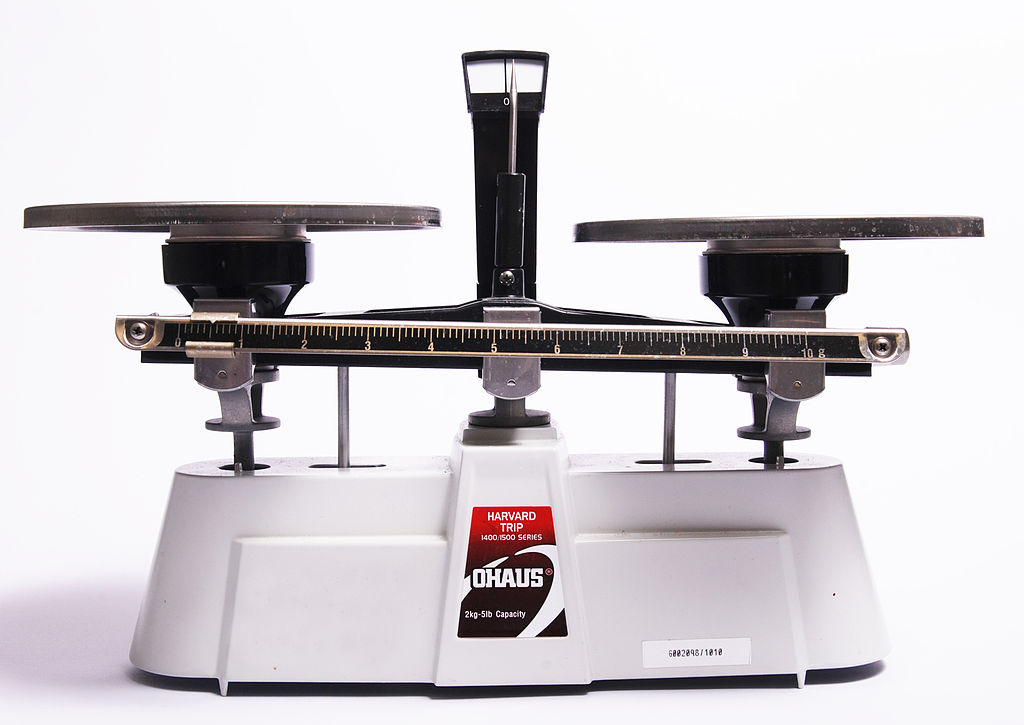
Balance
Balance (Photo credit: Wikipedia)

Chapter-a-Day Psalm 60

But you have raised a banner for those who fear you—
    a rallying point in the face of attack.
Psalm 60:4 (NLT)

Scholars tell us that Psalms 54-60 were placed together for a reason. The seven psalms form a cluster that fit together like a literary word picture in the Hebrew language in which it was originally written. Think of a mountain. Psalm 54 is an individual’s plea for God’s help. On the opposite end is Psalm 60 which is a nation’s plea for God’s help. The Psalms on either side lead up to a pinnacle in the center, Psalm 57, which contains two sets of seven lines (notice the repetitive theme of seven?) containing a refrain calling for God to be exalted.

I find it interesting the contrasting opposite ends of the cluster of psalms. The plea for the individual and the plea for the nation. This morning I’m weighing out in my mind the amount of time I spend thinking about and praying for myself and the amount of time I spend thinking about and praying for our nation. The scale I have pictured in my head tips quickly and decisively with a loud “thunk” on the side of the self-centered prayers.

Today I’m reminded that, no matter the country we find ourselves living in, God calls on us to pray for our leaders and our government. There is so much trouble in the world. We need God’s help to navigate the troubles of the nations just as much as we need His help to navigate our own personal journeys.