Tag Archives: Joel 1

Best of 2023 #3: Plague and Blessing

Plague and Blessing (CaD Joel 1) Wayfarer

A nation has invaded my land,
    a mighty army without number…

Joel 1:6a (NIV)

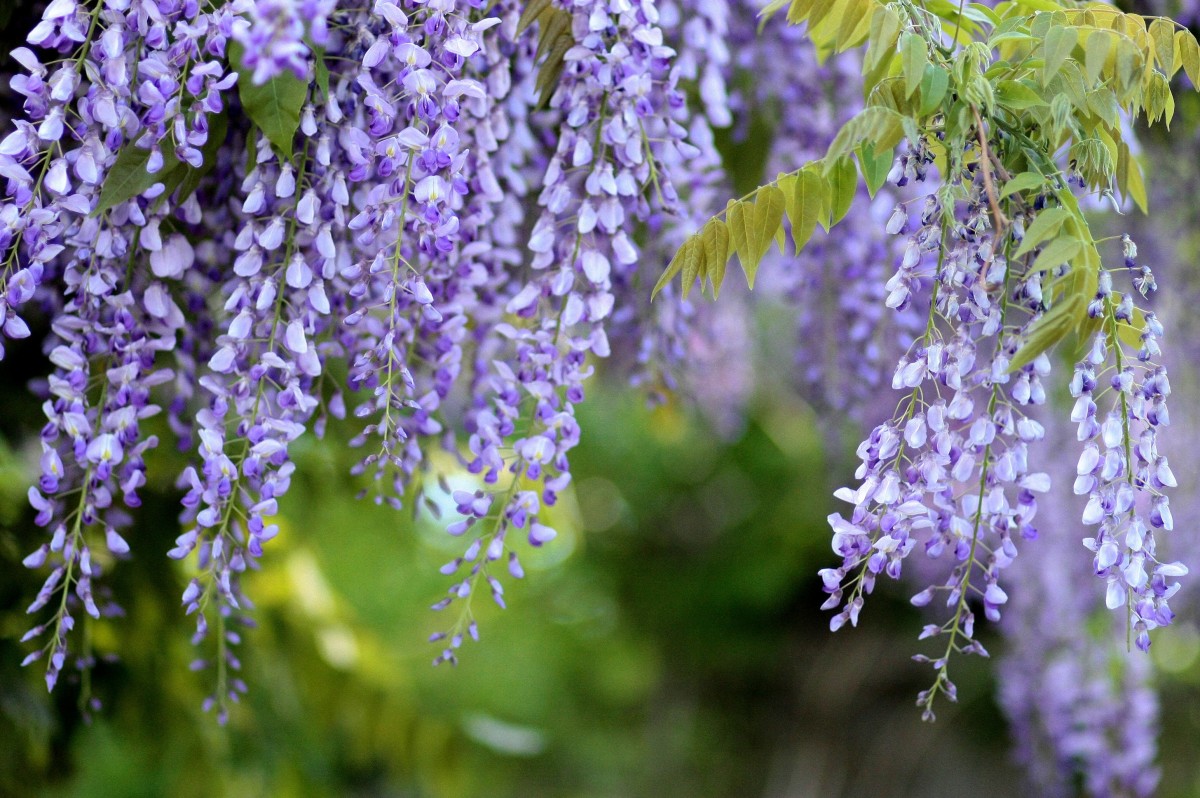
For Father’s Day this year, the girls bought me a Wisteria vine in honor of my mom, their Grandma Jeanne, who crossed over into eternity back in March. My mother’s favorite color was purple and the Wisteria blooms with large purple flowers.

When I went to plant the Wisteria, Wendy instructed me to plant it a long distance from our patio. Flowers bring bees and m’luv Wendy has a thing about bees and wasps. With her gorgeous mane of thick, curly hair, Wendy has a fear of a bee or wasp getting caught in her hair.

Of course, one can only control nature to a certain extent. So, during the summer months, Wendy is often confronted with the random reality of her flying nemesis “buzzing her tower” like Maverick in his fighter jet. Her intense reactivity to the presence of the flying pests is a sight to behold.

This week, our chapter-a-day journey is going make a quick trek through the short, ancient prophecies of Joel. Joel is a bit of a mysterious prophet on the historical landscape. The historical record both within the Great Story as well as non-Biblical tradition are silent regarding who exactly Joel was and when exactly he lived and carried out his prophetic ministry. He appears out of nowhere and writes one prophetic poem warning of a coming plague and calling the people of Judah to repentance.

The plague Joel warns about is a plague of locusts. For a modern reader here in America, this sounds archaic and mythological, but plagues of locusts devastated parts of Africa just a year ago. It’s horrendous.

As Joel opens his prophetic prognostication, he compares the swarm of locusts to “a mighty army without number.” This isn’t the first time that this phrase was used in conjunction with a locust plague. Psalm 105:34 uses the same phrase to reference the plague of locusts used against Egypt in the time of Moses when Pharaoh refused to let the Hebrews go.

I mulled this over in the quiet this morning. It’s a fascinating connection. In Exodus 10 the locust plague is used against the Hebrews’ antagonist to motivate a change of heart. Now, Joel predicts, God is going to use the same natural plague against His own people to motivate a change in theirs.

What goes around, comes around.

I’m reminded that there is so much in this life that I do not control. As Jesus said in His famous message on the mountainside: “[God] causes his sun to rise on the evil and the good, and sends rain on the righteous and the unrighteous.” Tragedy sometimes befalls the best of us, while blessing sometimes rains down on the worst of us. I have observed along my life journey that in either circumstance, Jesus’ question remains essentially the same:

“What will I do if the plague tragically strikes? “

What will I do if I’m undeservedly blessed?”

Joel is promising the former, and calling his people to respond accordingly. But how I answer both questions and how I respond in either circumstance is equally important in God’s Kingdom economy. I’ve observed that we as humans like to think of earthly things in simple binary terms. I’m either the victim of tragedy or blessed beyond measure. The truth of what Jesus taught is that I will likely experience both on this earthly journey, and how I respond is a barometer of my spiritual health.

For Wendy’s sake, I just hope I planted the Wisteria far enough away from the patio.

If you know anyone who might be encouraged by today’s post, please share.

Plague and Blessing

Plague and Blessing (CaD Joel 1) Wayfarer

A nation has invaded my land,
    a mighty army without number…

Joel 1:6a (NIV)

For Father’s Day this year, the girls bought me a Wisteria vine in honor of my mom, their Grandma Jeanne, who crossed over into eternity back in March. My mother’s favorite color was purple and the Wisteria blooms with large purple flowers.

When I went to plant the Wisteria, Wendy instructed me to plant it a long distance from our patio. Flowers bring bees and m’luv Wendy has a thing about bees and wasps. With her gorgeous mane of thick, curly hair, Wendy has a fear of a bee or wasp getting caught in her hair.

Of course, one can only control nature to a certain extent. So, during the summer months, Wendy is often confronted with the random reality of her flying nemesis “buzzing her tower” like Maverick in his fighter jet. Her intense reactivity to the presence of the flying pests is a sight to behold.

This week, our chapter-a-day journey is going make a quick trek through the short, ancient prophecies of Joel. Joel is a bit of a mysterious prophet on the historical landscape. The historical record both within the Great Story as well as non-Biblical tradition are silent regarding who exactly Joel was and when exactly he lived and carried out his prophetic ministry. He appears out of nowhere and writes one prophetic poem warning of a coming plague and calling the people of Judah to repentance.

The plague Joel warns about is a plague of locusts. For a modern reader here in America, this sounds archaic and mythological, but plagues of locusts devastated parts of Africa just a year ago. It’s horrendous.

As Joel opens his prophetic prognostication, he compares the swarm of locusts to “a mighty army without number.” This isn’t the first time that this phrase was used in conjunction with a locust plague. Psalm 105:34 uses the same phrase to reference the plague of locusts used against Egypt in the time of Moses when Pharaoh refused to let the Hebrews go.

I mulled this over in the quiet this morning. It’s a fascinating connection. In Exodus 10 the locust plague is used against the Hebrews’ antagonist to motivate a change of heart. Now, Joel predicts, God is going to use the same natural plague against His own people to motivate a change in theirs.

What goes around, comes around.

I’m reminded that there is so much in this life that I do not control. As Jesus said in His famous message on the mountainside: “[God] causes his sun to rise on the evil and the good, and sends rain on the righteous and the unrighteous.” Tragedy sometimes befalls the best of us, while blessing sometimes rains down on the worst of us. I have observed along my life journey that in either circumstance, Jesus’ question remains essentially the same:

“What will I do if the plague tragically strikes? “

What will I do if I’m undeservedly blessed?”

Joel is promising the former, and calling his people to respond accordingly. But how I answer both questions and how I respond in either circumstance is equally important in God’s Kingdom economy. I’ve observed that we as humans like to think of earthly things in simple binary terms. I’m either the victim of tragedy or blessed beyond measure. The truth of what Jesus taught is that I will likely experience both on this earthly journey, and how I respond is a barometer of my spiritual health.

For Wendy’s sake, I just hope I planted the Wisteria far enough away from the patio.

If you know anyone who might be encouraged by today’s post, please share.

Times of Rain; Times of Drought

usfws via Flickr
usfws via Flickr

Despair, all you farmers!
    Wail, all you vine growers!
Weep, because the wheat and barley—
    all the crops of the field—are ruined.
Joel 1:11 (NLT)

Yesterday Wendy and I had meetings in Des Moines and found ourselves driving the familiar stretch of highway 163 from Pella. The road winds through some of the most beautiful and fertile farm land I’ve ever seen. My weekly, sometimes daily, trips to Des Moines are an on-going word picture of changing seasons and the state of the fields which feed the world.

It has been wet here in Iowa. On Monday we had 2.5 inches of rain in 24 hours. That came after a wet weekend. As I looked out over the fields of green on the way to Des Moines I was reminded that 20 years ago this summer we experienced a similar rainy summer. The floods of 1993 left the City of Des Moines without fresh water for 10 days. This summer doesn’t come close to that, but it is certainly reminiscent of the same wet weather patterns. We then remembered and talked about the serious drought we experienced just one year ago which now seems such a departure of our present meteorological reality.

In today’s chapter, the prophet Joel calls people to lament and pray about a serious drought and locust plague that threatens the food source and lives of an entire nation. To be sure, the effects of extreme weather in Joel’s day would have far more disastrous implications for the people of that region than what we experience in our land of plenty. Still, I am reminded today of the constancy of nature’s impact on our lives and livelihoods. It’s another case of “the more things change, the more they stay the same.” It’s a great word picture. In this life journey we all experience the ebb and flow of floods and drought. We all live through seasons of plenty and of loss.

Today I am reminded to keep the faith, and to keep pressing on. You never know what next summer will bring.