Tag Archives: Isaiah 17

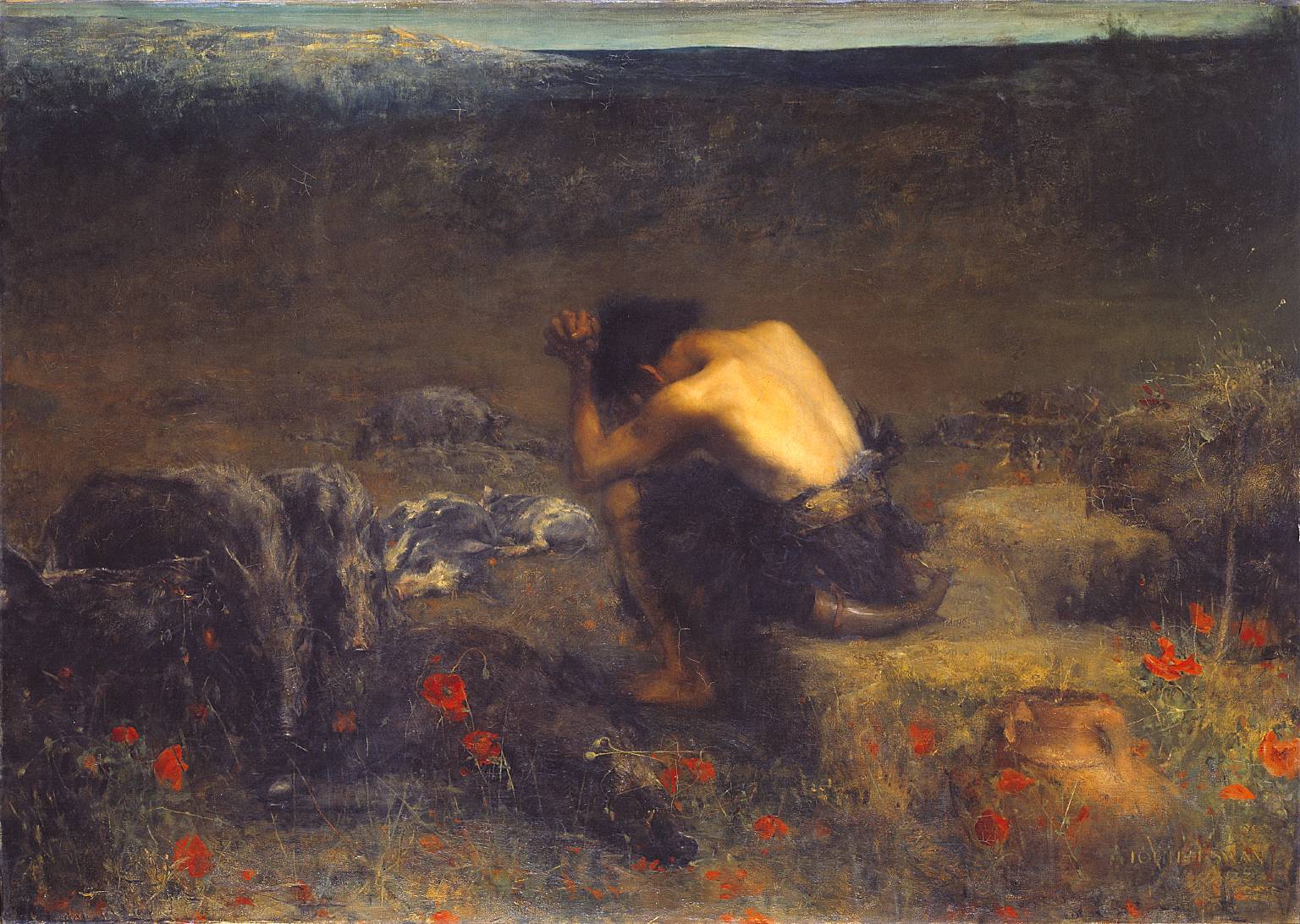
Lesson of the Prophetic Prodigal

In that day people will look to their Maker
    and turn their eyes to the Holy One of Israel.
Isaiah 17:7 (NIV)

Isaiah is taking a prophetic tour of the region of his day. In previous days we’ve been to Moab and Aram. The tour of doom continues today to the kingdoms of Syria, and even to Israel’s northern kingdom.

The Kingdom of Israel split during the time of David’s grandson (Solomon’s son). The southern Kingdom of Judah (David’s tribe) along with the tribe of Benjamin, continued to make Jerusalem its capital city, and continued to put descendants of the line of David on the royal throne. Isaiah was a prophet of Judah. With Solomon’s temple a prominent fixture in Judah, the worship of God was more likely to be central to the lives of citizens there.

The northern kingdom was made up of the other ten of Israel’s tribes. There were different capital cities, but in the days of Isaiah it was in Samaria. The monarchy in Israel was a political free-for-all, and religion was seemingly a free-for-all as well. While Judah was more apt to be faithful to God and the worship of God at Solomon’s temple, the tribes of the northern kingdom were more given to worship of Canaanite deities.

In today’s chapter, Isaiah’s apocalyptic, regional prophecies include their northern kin, though the coming doom does not mean total destruction for Israel. Isaiah speaks of a gleaning (harvest) in which some fruit remains. Isaiah’s message predicted the regional invasion of the Assyrians, in which the Assyrians would take many captive and leave a few behind. This was a common practice of siege warfare in that day.

From a spiritual perspective, the tribes of Israel and Judah are bit like Jesus’ parable of the prodigal son. While Jesus’ parable was not intended as a political allegory, the the metaphor of the parable resonates. Judah the more dutiful older son and Israel the rebellious younger son. God has a pattern of allowing His children freedom of will to accept or reject His ways, and equally allowing his children to experience the painful fruits of their own actions and decisions.

This morning I am thinking about how easy it is as parents to want to protect our children from themselves. When we control all behavior, control all exposure to the world, and protect children from all harm they are more likely to be safe. They are also less likely to be wise. It is only in the distant country, and in the painful consequences of his own actions, that the prodigal realizes his folly and makes a choice to return home.

Isaiah’s prophecy of Israel pre-figures the lesson of the parable. Israel will suffer the devastation of an Assyrian siege, its best and brightest will be taken into captivity, but the painful lesson will turn the hearts of the prodigal back to their spiritual Father.

Chapter-a-Day Isaiah 17

The Divine Hours. And why? Because you have forgotten God-Your-Salvation, not remembered your Rock-of-Refuge. Isaiah 17:10a (MSG)
 

Okay, I admit it. I'm a forgetful person. Just ask my wife, whom I drive crazy with my forgetfulness. There are days when I pull out of the driveway only to pull right back in when I suddenly remember something I forgot to take with me. Somedays I'll pull back in the driveway two or three times before I have everything I need.

A few years I was waiting for Wendy at church and happened upon a book called The Divine Hours. It's a prayer guide with prayers to be prayed at four different times of the day each day. I read the introduction of the book about the ancient discipline of praying at different times of the day. I decided to pick up the book, because I thought that it would be a cool thing to try.

Over the past couple of years I've attempted to use The Divine Hours to build a habit of praying regularly throughout each day. I've come to realize how much I forget about God in the whirlwind of my daily activities. I'm pretty good at spending time in the morning reading God's Message and praying. Once the rest of the day starts, however, God easily gets shoved to the back-burner of my mind. More often than not The Divine Hours sits on my desk until the next morning when I, once again, realize that I gave God little thought the previous day and evening.

I don't want to remember God for just a few minutes of my day. I don't want to forget God as I remember all the tasks on my to-do list. I want to be mindful and engaged with God in the midst of and throughout all my daily journey. Today is a fresh start. Good habits are built one-day-at-a-time.