Tag Archives: Hosea 3

Living Lesson

Living Lesson (CaD Hos 3) Wayfarer

So I bought [Gomer] for fifteen shekels of silver and about a homer and a lethek of barley.
Hosea 3:2 (NIV)

I was coaching a client last week on their Enneagram Type. As I was getting to know the person’s story, I learned that they were the youngest in birth order among their siblings. My client talked about a reality that I also experienced as the youngest child. The youngest child gets to watch all the older siblings in relationship and conflict with parents. This becomes a living lesson in child-parent relationships that can inform the younger sibling what to do, or what not to do, to avoid parental conflict, wrath, and punishment.

In the opening chapters of Hosea, God tells Hosea to marry a promiscuous and adulterous woman. The purpose of this was so that Hosea’s own marriage, his daily reality, would become a living, metaphorical, prophetic message for everyone who knew him and his situation. Life as prophetic performance art.

Today’s chapter is very short. It’s a prophetic exclamation point punctuating Hosea’s obedience, and the very real circumstances he found himself living out because of it. His wife Gomer was, as anticipated, adulterous and fell into a relationship with another man. But there was more to it than sleeping with another man. While the exact circumstances are sketchy, the text makes it clear that Gomer found herself deep in some kind of debt. In order for Hosea to bring Gomer back and restore their marital relationship he was required to pay the debt. Once he has her back, Hosea proclaims that there will be a period of sexual abstinence between them.

There is no mystery in the metaphor. Hosea makes it clear that this period of marital exile is a living picture of the exile that the nation of Israel will experience when they are taken captive by the Assyrians. Just as this period of abstinence is intended to restore the spiritual marital commitment between Hosea and Gomer, it is amidst exile that Israel’s hearts will be changed and they will rediscover God as their first love.

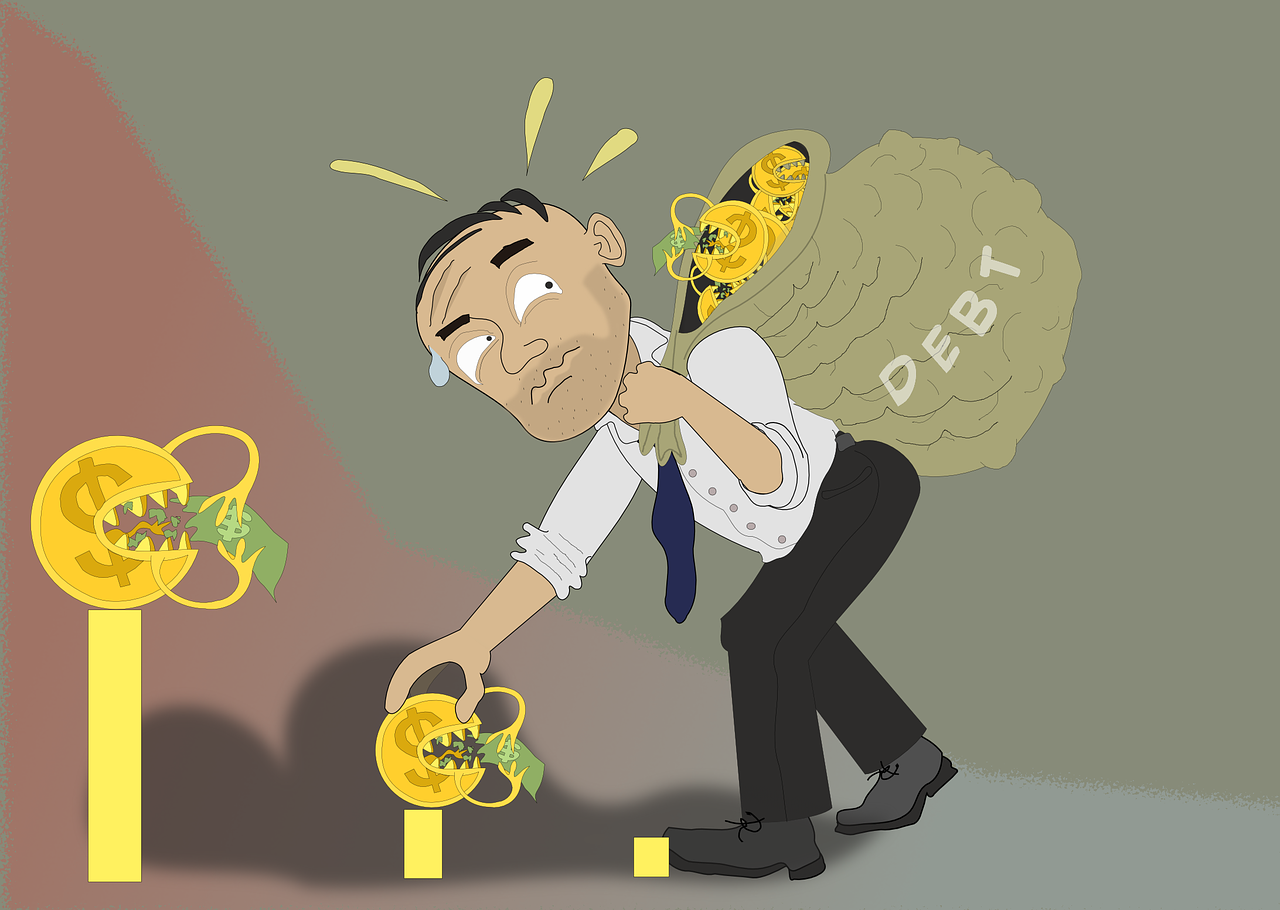
In the quiet this morning, I find myself moved by the fact that Hosea not only took his wife Gomer back after her adulteries, but that he had to pay her debts in order to do so. It is a living picture of Jesus’ own sacrifice, to pay the debt of my willful and repeated choices to go my own way. In paying my debts, Jesus opened the possibility that relationship might be restored between me and God.

Growing up, I learned lessons from the living example of my siblings as I watched them in relationship with my parents. As a result, my own adolescent years were relatively peaceful. In the same way, Hosea’s broken marriage, the redeeming of his unfaithful wife, and his sacrificial love for her are intended to be a living example. The poor choices I make with my free will break relationship with God just like when a spouse freely chooses to commit adultery. But Jesus chose to pay my debt in order that the relationship might be eternally restored. The only thing left to decide is how I will respond to His sacrificial love.

As I enter another work week this morning, I find myself grateful for that love, and motivated to be as faithful to Jesus as Jesus proved Himself faithful for me.

May my life be a positive, living lesson for others to see and follow.

If you know anyone who might be encouraged by today’s post, please share.

Chapter-a-Day Hosea 3

Hoshea was the last king of the Israelite King...
Hoshea was the last king of the Israelite Kingdom of Israel and son of Elah. (Photo credit: Wikipedia)

This shows that Israel will go a long time without a king or prince, and without sacrifices, sacred pillars, priests, or even idols! But afterward the people will return and devote themselves to the Lord their God and to David’s descendant, their king. In the last days, they will tremble in awe of the Lord and of his goodness. Hosea 3:4-5 (NLT)

Hosea was a prophet and his book is part of the Hebrew books of prophecy. It is impossible to read them and not think about their message in the context of history, time, and events. This morning, these two verses caught my eye for their prophetic nature.

Israel will go a long time without a king or prince… Indeed, Hoshea was the last king of Israel and he finished his reign in 712 B.C. Even if we count Zedekiah who was the last king of the southern nation of Judah, we only make it to 586 B.C. So, we’re now at roughly 2500 years Israel has been without a king.

without sacrifices, sacred pillars, priests, or even idols!…  When Jerusalem was destroyed by the Romans just 40 years after Jesus’ death and resurrection, all of the Hebrews’ extensive genealogical records were destroyed along with the temple. Because God’s law specifically requires that the priestly and sacrificial systems be carried out by sons of Aaron and Levi, the sacking of Rome made it impossible for these systems to continue. It’s been nearly 2000 years.

But afterward the people will return…. Israel’s statehood in 1948 has resulted in millions returning to their native land.

and devote themselves to the Lord their God and to David’s descendant, their king…. What’s interesting about this is that the destruction of the genealogical records in 70 A.D.  make it nearly impossible to determine who is a direct descendant of King David. Yet Jesus’ family tree exists. The line through both his mother and his earthly father is recorded in the gospels and traced back to David.

In the last days, they will tremble in awe of the Lord and of his goodness. Today, I feel like I’m living out this prophecy as I ponder in wonder. I’m amazed at God’s story, His plan, and His prophets. I’m grateful to be living in such amazing times and witnessing so much from  a man walking on the moon to the ability of holding more information than all the ancient libraries combined in the palm of my hand. At the same time, I’m reminded that it is all part of a larger plan and story that God is telling through human history. It was foretold through the ancient prophets, has been working itself out and is yet coming to be.