Tag Archives: 1 Chronicles 19

Rivals, Defeat, and Shame

Rivals, Defeat, and Shame (CaD 1 Chr 19) Wayfarer

So Hanun [the Ammonite] seized David’s envoys, shaved them, cut off their garments at the buttocks, and sent them away.
1 Chronicles 19:4 (NIV)

Yesterday, Wendy and I purchased tickets for our annual pilgrimage to the “mother ship,” U.S. Bank Stadium in Minneapolis, to cheer on the Minnesota Vikings. We kind of enjoy being fans, having a team to root for, and riding the ups and downs that come with it. Almost every team to whom we are loyal are “good” teams who rarely break through and win “the big one.” C’est la vie.

Every one of “our” teams has an archrival. It’s the nature of sports. When Wendy and I go to the lake in the heart of Cardinals country, we get a lot of ribbing for wearing our Cubs gear. Our neighbors used to fly their Cardinals’ flag just for us. One summer we happened to be at the lake when the Cubs beat the Cardinals, so I blasted the Cubs’ victory song Go Cubs Go at full volume on our deck knowing that the water of the cove would carry the sound a long way. Rivalry is part of the fun of being a fan.

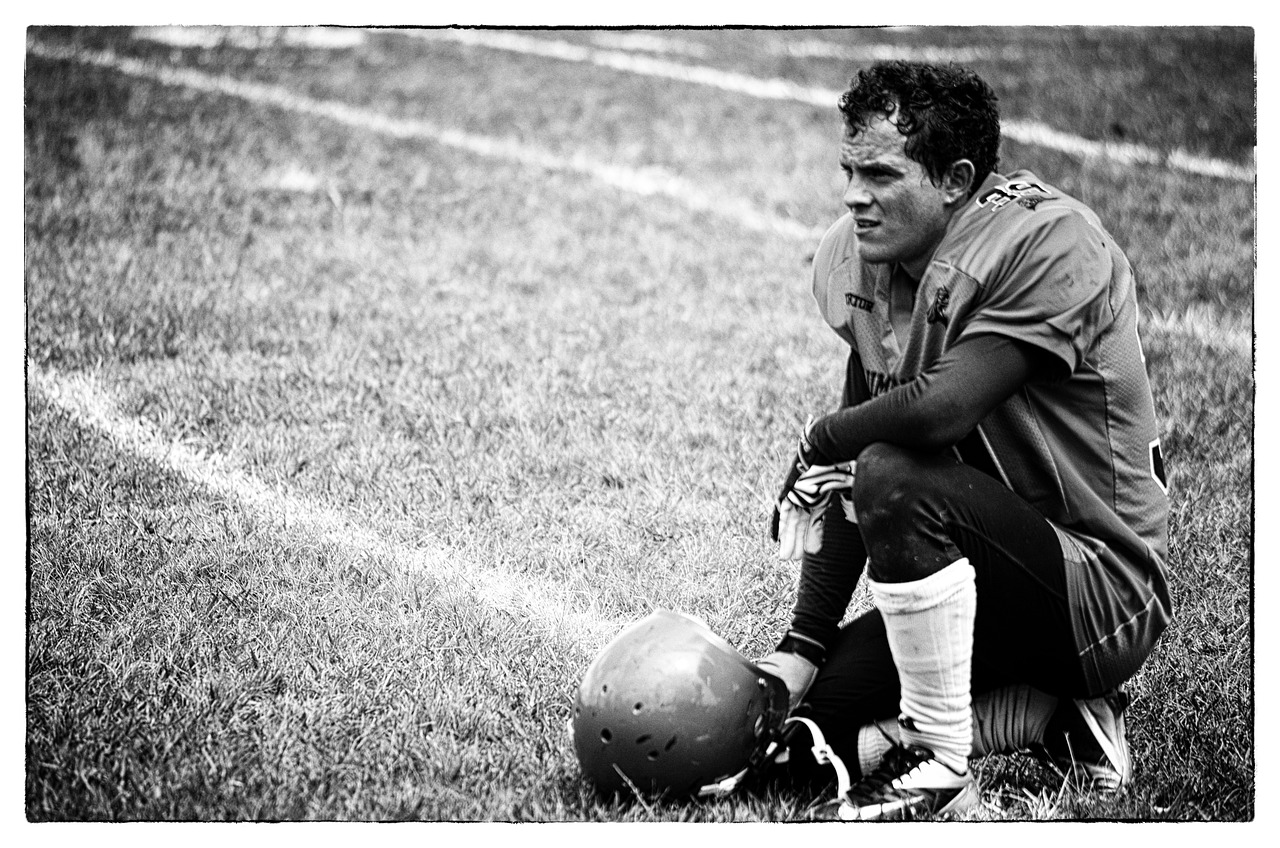
I remember years ago hearing that as the annual game against the archrival approached, a team’s coach made the players sit and watch the previous match-up which was an agonizing, humiliating defeat. The coach made the players watch it in its entirety. It motivated them to step up and they turned the tables on their rivals that year.

In ancient times, kingdoms also had rivals, but with bloody, dangerous, and life-threatening consequences. When reading through the history of the ancient Hebrews and the wars they fought to survive, the same enemy names pop up over and over and over again: Philistines, Edomites, Arameans, and Ammonites to name a few.

The author of Chronicles is scratching out his version of that history with his stylus on papyrus around 400 B.C. His generation is desperately trying to restore and rebuild the city of Jerusalem, which has been lying in rubble for decades. Their people had been scattered and taken into exile in Babylon and Assyria. At the point in time he is writing, they are history’s version of what sports would call “cellar dwellers” or “bottom feeders.” The “glory days” are far behind them.

Guess who doesn’t want to see them successfully rebuild?

It’s their rivals. In Nehemiah’s account of the rebuilding of Jerusalem, he tells of the Ammonites being among those who antagonized the Hebews and their rebuilding of the walls.

In today’s chapter, King David sends a delegation to the newly crowned prince of the Ammonites with his condolences on the death of his father, the King. It was a gesture of goodwill. Instead of accepting it, the new King shaves the heads of the Hebrew delegation (to be shaved was culturally shaming at that time) and cut their garments so the men’s butts were publicly exposed (also extremely shaming and humiliating). David responds by attacking the Ammonites and their allies, successfully defeating them.

In the quiet this morning, I considered what it must have been like for the Chronicler and his readers to read these historical accounts of the Ammonites’ antagonism and dishonor of David, and David’s victorious response. I wondered if reading about this past humiliation inspired the Chronicler and his contemporaries to be diligent in their defense of Jerusalem and their stand against their antagonistic rivals.

We mostly talk about shame in negative terms these days, and for those like me who are susceptible to shame’s toxicity, it can have devastating, negative effects on one’s heart, mind, and life. But there is also such a thing as good shame when a humiliating defeat or failure inspires me to make a positive change to ensure I never experience that humiliation, failure, or defeat again. It’s possible for a healthy memory of failure’s sting to motivate thoughts and actions that will avoid any future recurrences.

If you know anyone who might be encouraged by today’s post, please share.

New Places, New Faces: Wisdom Required

meredithWhen David’s envoys came to Hanun in the land of the Ammonites to express sympathy to him, the Ammonite commanders said to Hanun, “Do you think David is honoring your father by sending envoys to you to express sympathy? Haven’t his envoys come to you only to explore and spy out the country and overthrow it?” 1 Chronicles 19:3 (NIV)

I’ll never forget seventh grade. That was the first year of what used to be called Junior High School and is now generally referred to as Middle School. All of the local elementary schools fed into Meredith Junior High. For seven years I had attended school with pretty much the same group of kids. We knew each other. We’d grown up together. Now, we were all dispersed among four or five times the number of kids from all over town.

I can remember the anxiety that came with those early days of seventh grade. You feel awkward enough as it is when you’re twelve or thirteen years old, but then to be placed in a new school with a host of new kids you didn’t know could feel disconcerting. I met all sorts of new friends. Some were positive influences on me, others not so much.

I thought about those days as I read inexperienced Prince Hanun taking the throne and filling his fathers shoes. I have no idea how old Hanun was, but I pictured him as a young man suddenly thrust into leadership and his commanders all jockeying for favor with the new monarch. They whispered in his year during a time of anxiety and fear. Hanun proved ignorant, or foolish, or both. He listened to the wrong advice and it cost him his crown.

Being in a new place can be a scary time. Whether it’s living in a new community, attending a new school, or working at a new job, there is a certain period of time it takes to get oriented and learn the ropes. You also tend to meet a lot of new people who have a whole lot of advice for you emanating from their own self-serving agendas. This morning I am reminded that wisdom and discernment are greatly needed during these stretches of life’s journey. New “friends” you meet in these situation often prove the great wisdom I learned from Looney Tunes as a kid: “With a friend like that, who needs enemies?”

Chapter-a-Day 1 Chronicles 19

Crowd. But when David’s servants arrived in Ammonite country and came to Hanun to bring condolences, the Ammonite leaders warned Hanun, “Do you for a minute suppose that David is honoring your father by sending you comforters? Don’t you know that he’s sent these men to snoop around the city and size it up so that he can capture it?” 1 Chronicles 19:2-3 (MSG)

When my daughters were entering their teen years, I told both of them that I would trust them until they did something to lose my trust. Then I warned them that they did NOT want to lose my trust. I found it interesting that both of my daughters came to appreciate and value my trust. While both girls were not without their teenager mistakes, I know that both of them came to value that trust, especially in contrast to the irrational mistrust they saw other parents placing on their friends.

Along the journey, I’ve tended to believe the best in people and their motives, and it’s served me well. I figure it’s best to treat people the way you want to be treated, and I always want people to believe the best in me. I can count precious few times in my life that a person took advantage of that trust. They were isolated cases that taught me a lot about the individual involved. They were exceptional situations and I don’t think a few exceptions justifies dismantling the golden rule.

How different Hanun’s outcome would have been if he’d simply taken David’s condolences as they were meant. Accepting David’s token of friendship could have meant abundant blessings and a meaningful alliance. Instead, Hanun found himself with a very powerful enemy.

Today, I’m choosing to believe the best in people.

Creative Commons photo courtesy of Flickr and jp_42